And why small changes still matter
Ultra-processed foods aren’t just about sugar and fat. They’re packed with synthetic additives—ingredients we’d never use in our own kitchen.
But what are they exactly?
Here are some of the most common types—and what they might be doing to our bodies:
Artificial Flavors

These are lab-made chemicals designed to mimic real flavors like vanilla, strawberry, or “fruit.” They trick our taste buds without adding any real nutrition.
- Potential effects: Some artificial flavors are neurostimulants that may be linked to headaches, hyperactivity, and mood swings—especially in children.
Emulsifiers
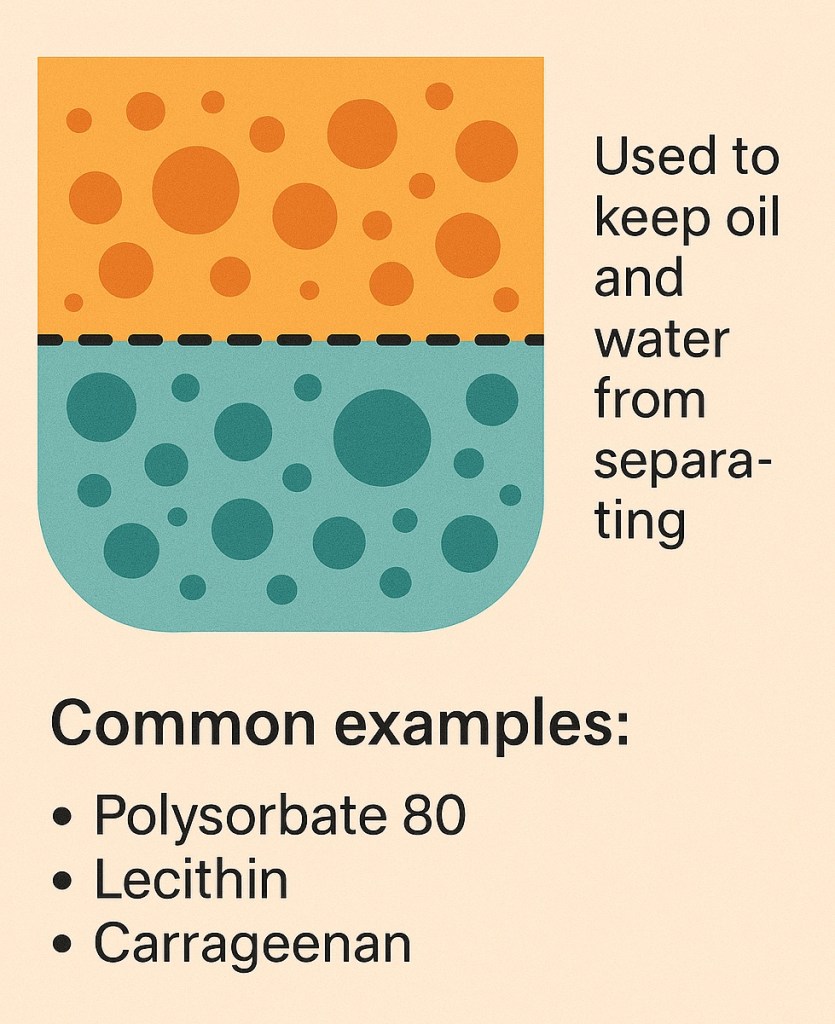
Used to keep oil and water from separating in foods like salad dressings, sauces, and ice cream.
Common examples: Polysorbate 80, Lecithin, Carrageenan
- Potential effects: May disrupt the gut lining and microbiome, increase inflammation, and even trigger metabolic issues like insulin resistance.
Colorants (Food Dyes)

These give foods that bright, uniform, “fun” look—think of bright orange snacks or neon candies.
Examples: Red 40, Yellow 5, Blue 1
- Potential effects: Linked to allergic reactions, hives, and even behavioral concerns in children. Some are banned or carry warning labels in the EU.
Preservatives

Added to prevent spoilage and extend shelf life.
Examples include: Sodium benzoate, Sorbic acid, BHA, BHT
- Potential effects: Some may interfere with hormones (endocrine disruptors), and BHA/BHT have shown potential cancer risk in animal studies.
Modified Starches
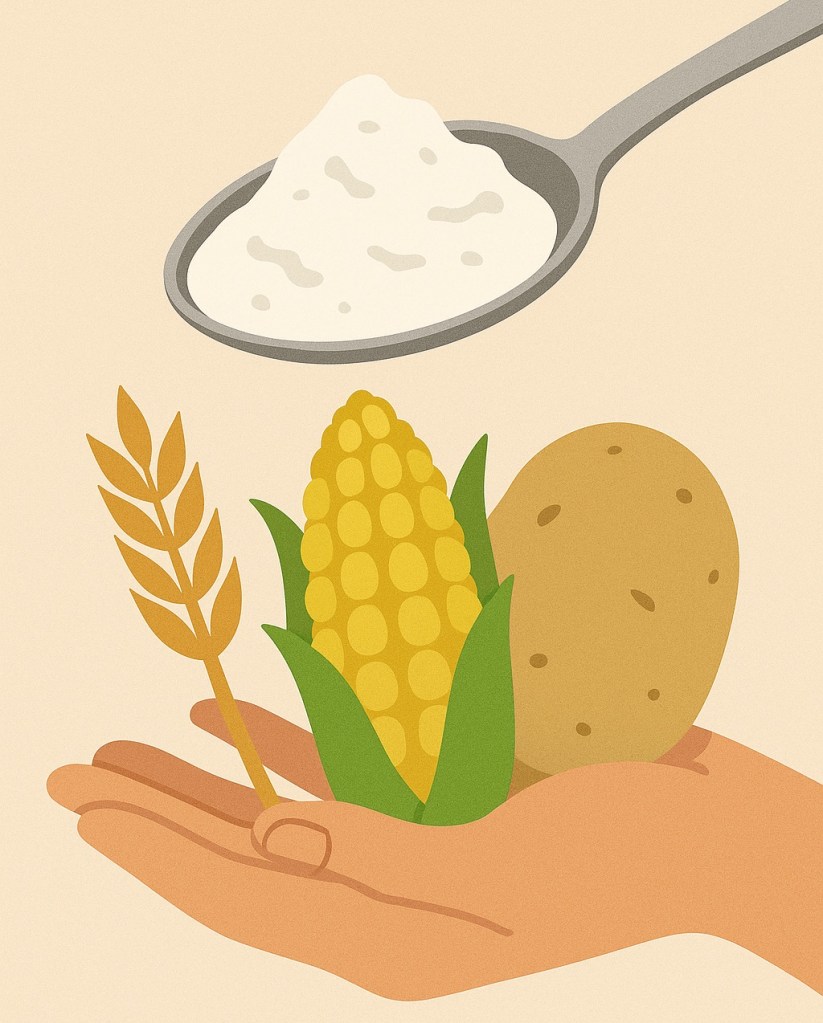
These are chemically altered starches from corn, wheat, or potatoes, used to thicken or stabilize processed foods.
- Potential effects: Often raise blood sugar quickly and may leave chemical residues. They can also disrupt normal digestion and feed harmful gut bacteria.
The scary part?
You don’t always know they’re there—unless you read the label carefully.
 Roromom's Life Style
Leave a comment