• Best Lotions and Creams for Eczema Relief: What Really Works

    When dealing with eczema or sensitive skin, finding the right moisturizer can make all the difference. Over the years, I’ve tested countless products for myself and my family, and I’ve discovered that certain ingredients are game-changers for strengthening the skin barrier and calming irritation.

    Editor’s note: I’ve tried many creams, but the one I’ve been most satisfied with is Illiyoon Ceramide Ato Concentrate Cream—it delivers great results at an affordable price.

    Why Ingredients Matter

    Eczema-prone skin often has a compromised skin barrier. That’s why products containing colloidal oatmeal, ceramides, and niacinamide are highly recommended.

    • Colloidal oatmeal soothes itchiness and inflammation.
    • Ceramides help restore the skin barrier and retain moisture.
    • Niacinamide calms redness and supports barrier repair.

    At the same time, it’s best to avoid irritants such as fragrances, parabens, sulfates (like SLS), and harsh surfactants that can strip or aggravate sensitive skin.

    My Personal Experience

    From my own journey caring for sensitive, eczema-prone skin, ceramide-rich lotions made the biggest difference. They reduced dryness, calmed flare-ups, and helped maintain hydration through seasonal changes.


    Top Eczema-Friendly Lotions and Creams

    1. Illiyoon Ceramide Ato Concentrate Cream — Top Pick

    Tube of Illiyoon Ceramide Ato Concentrate Cream, 200 ml, designed to strengthen the skin barrier and hydrate sensitive or eczema-prone skin.
    Illiyoon Ceramide Ato Concentrate Cream – gentle, fragrance-free moisturizer for dry and sensitive skin.
    Illiyoon Ceramide Ato Concentrate Cream displayed with text “Korea No.1 Dermocosmetics” and Marie Claire Skin Award badge.
    Award-winning Illiyoon Ceramide Ato Concentrate Cream – recognized as Korea’s top dermocosmetic brand.
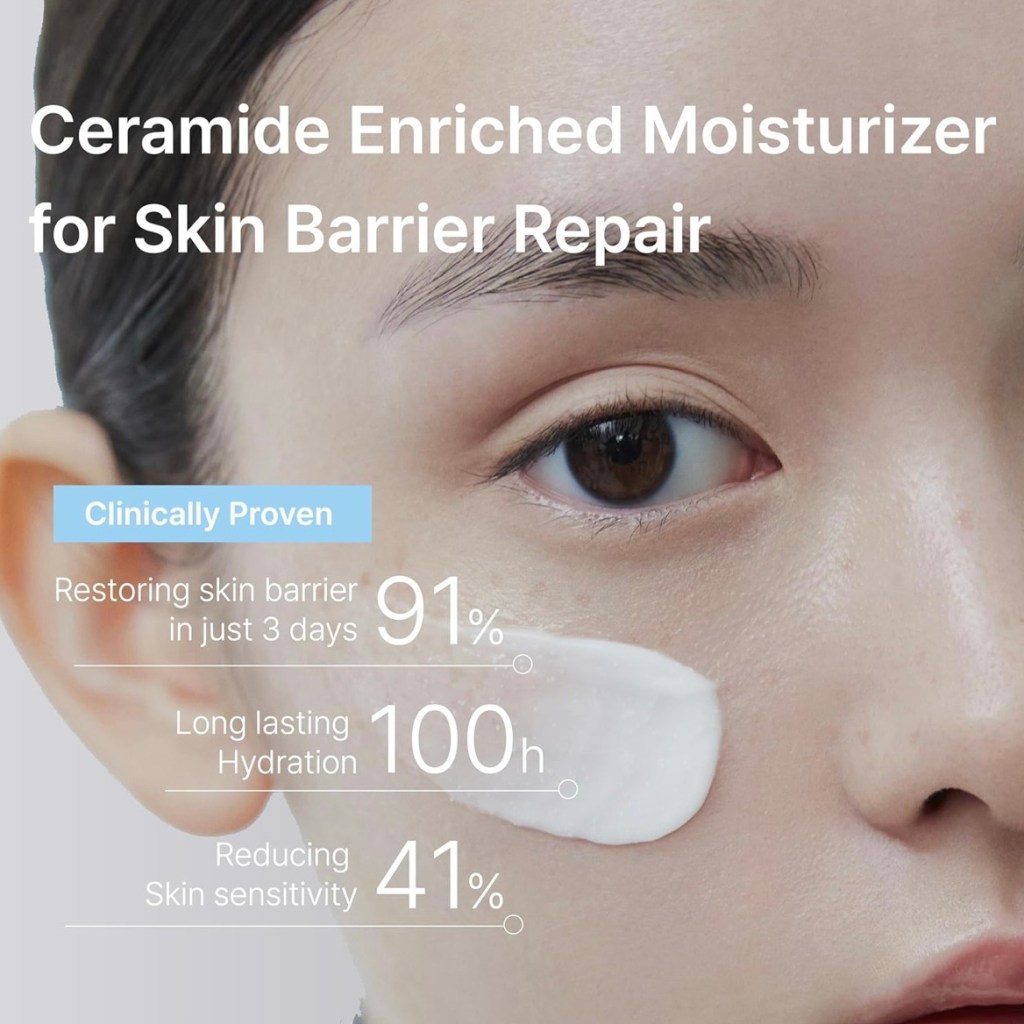
    Close-up of a woman’s face with Illiyoon Ceramide Ato Concentrate Cream applied, showing clinical results: 91% barrier repair, 100 hours hydration, 41% reduced sensitivity.
    Clinically proven to restore the skin barrier by 91% in 3 days with up to 100 hours of hydration.
    List of Illiyoon cream features: sensitive skin tested, hypoallergenic, non-comedogenic, dermatologist-tested, eczema-friendly, vegan, EWG verified, fragrance- and paraben-free.
    Hypoallergenic, EWG-verified, fragrance-free – safe for eczema-prone and sensitive skin.
    Graph showing moisture levels over 100 hours with Illiyoon Ceramide Ato Concentrate Cream and before-and-after skin hydration photos.
    Proven moisture and barrier support – visible results from first use to 100 hours.
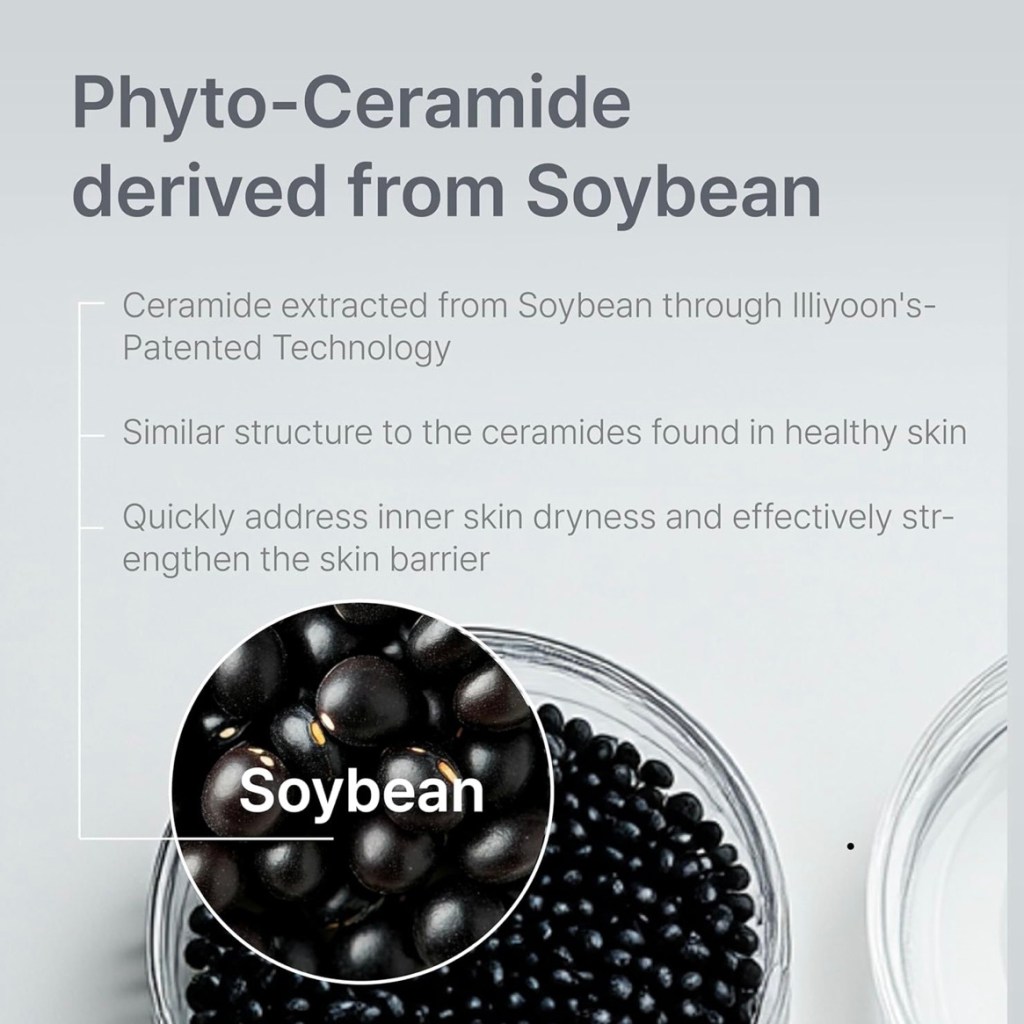
    Soybeans and text describing Illiyoon’s patented phyto-ceramide technology for strengthening the skin barrier.
    Made with plant-derived ceramides from soybeans for deeper hydration and barrier repair.
    • Why I Recommend It: Delivers excellent results for eczema-prone and sensitive skin at an affordable price.
    • Key Benefits: Passed 5 safety tests (sensitive-skin, hypoallergenic, non-comedogenic, dermatologist-tested, eczema-prone suitability). EWG verified and vegan certified. Fragrance-free, paraben-free, unscented.
    • Clinically Shown: 91% skin-barrier restoration in 3 days, up to 100 hours hydration, 41% reduction in skin sensitivity.
    • Formulation: Capsule ceramides strengthen the skin barrier and lock in moisture.
    • Texture: Lightweight, non-sticky, comfortable for daily face & body use.

    Check on Amazon


    2. CeraVe Moisturizing Cream

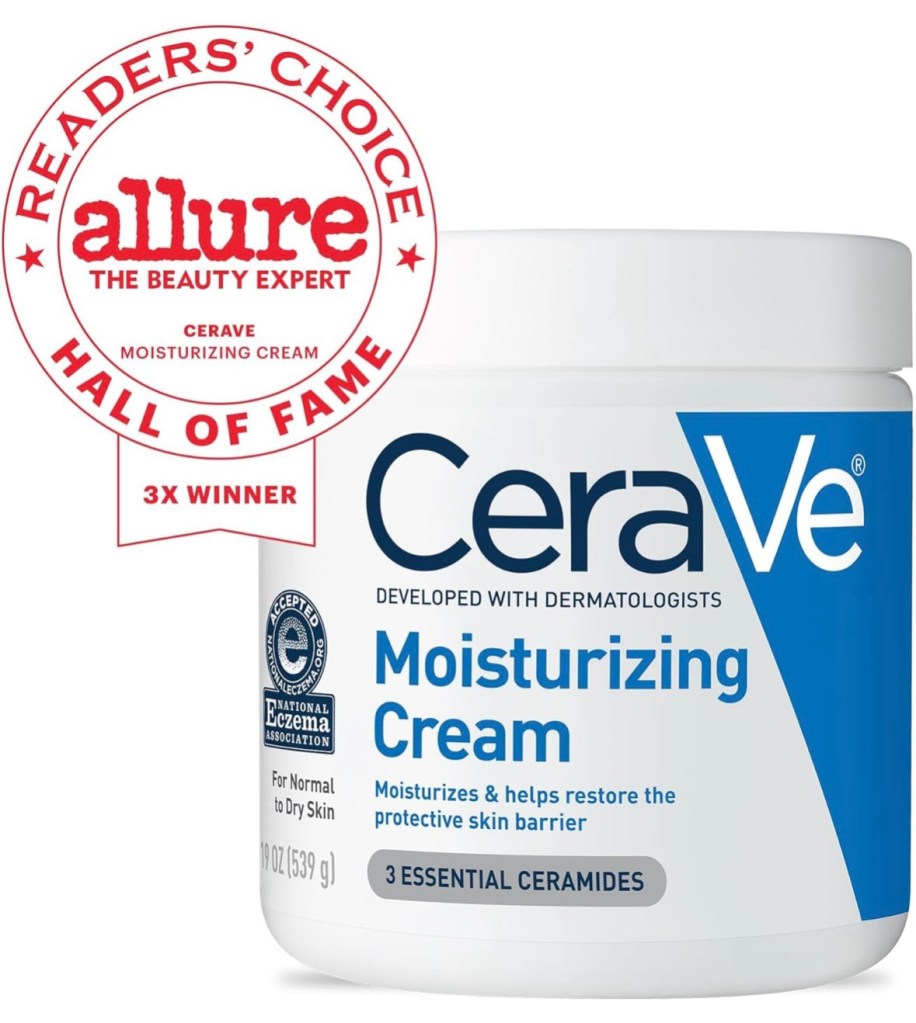
    Jar of CeraVe Moisturizing Cream with Allure Readers’ Choice Hall of Fame badge and National Eczema Association seal.
    CeraVe Moisturizing Cream – Award-winning formula with 3 essential ceramides.
    Woman applying CeraVe cream to shoulder, showing product benefits: dermatologist-developed, NEA accepted, fragrance-free, non-comedogenic.
    CeraVe Moisturizing Cream – Gentle, dermatologist-developed, and NEA accepted.
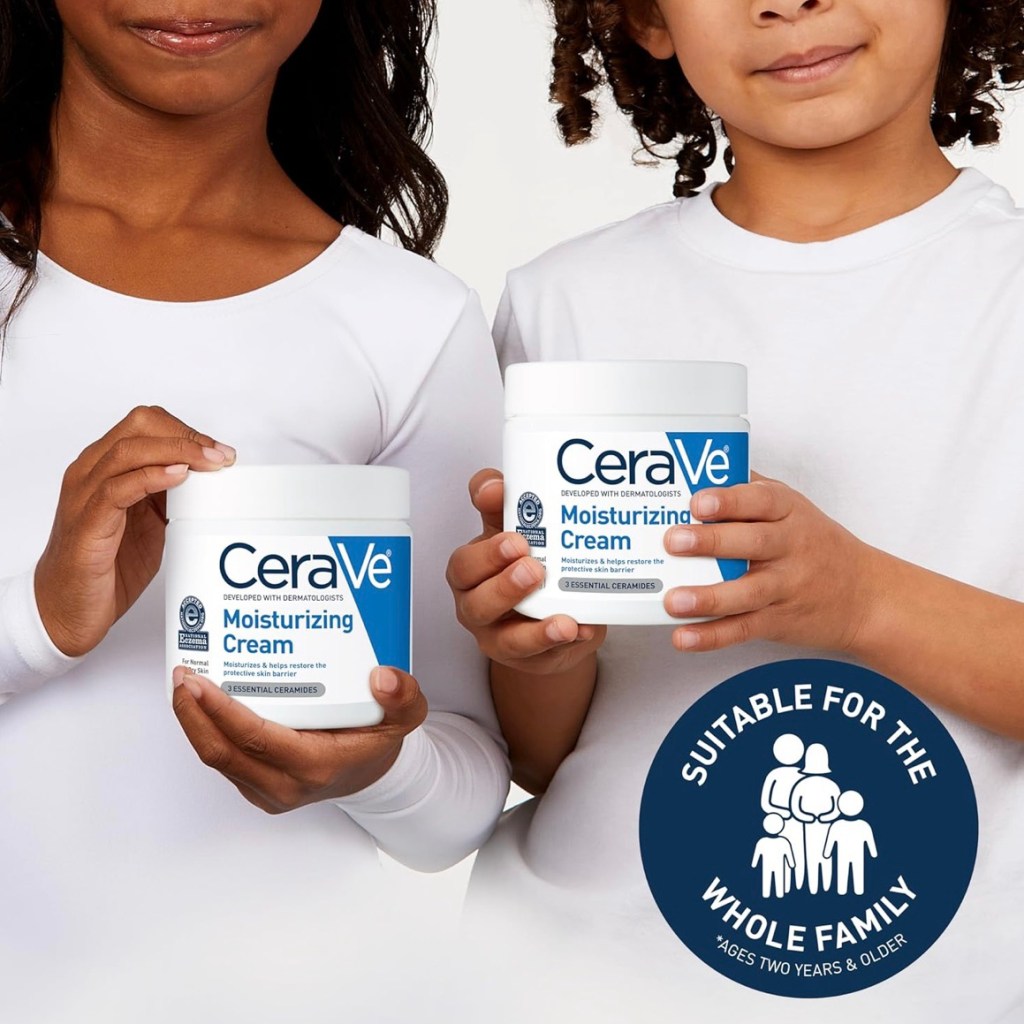
    Two children holding CeraVe Moisturizing Cream jars, labeled as suitable for the whole family ages two and older.
    Family-friendly hydration – CeraVe Moisturizing Cream suitable for kids and adults.
    Diagram highlighting CeraVe Moisturizing Cream’s key ingredients: Ceramides 1, 3, 6-II, Hyaluronic Acid, and MVE Technology for all-day hydration.
    Advanced hydration technology for long-lasting moisture.
    • Key Ingredients: Ceramide 1, 3, 6-II, hyaluronic acid, MVE technology.
    • Features: Fragrance- and paraben-free; face & body; dermatologist recommended; National Eczema Association approved.
    • Why We Like It: Thick but non-greasy; great for restoring very dry or cracked skin.

    Check on Amazon


    3. First Aid Beauty Ultra Repair Cream
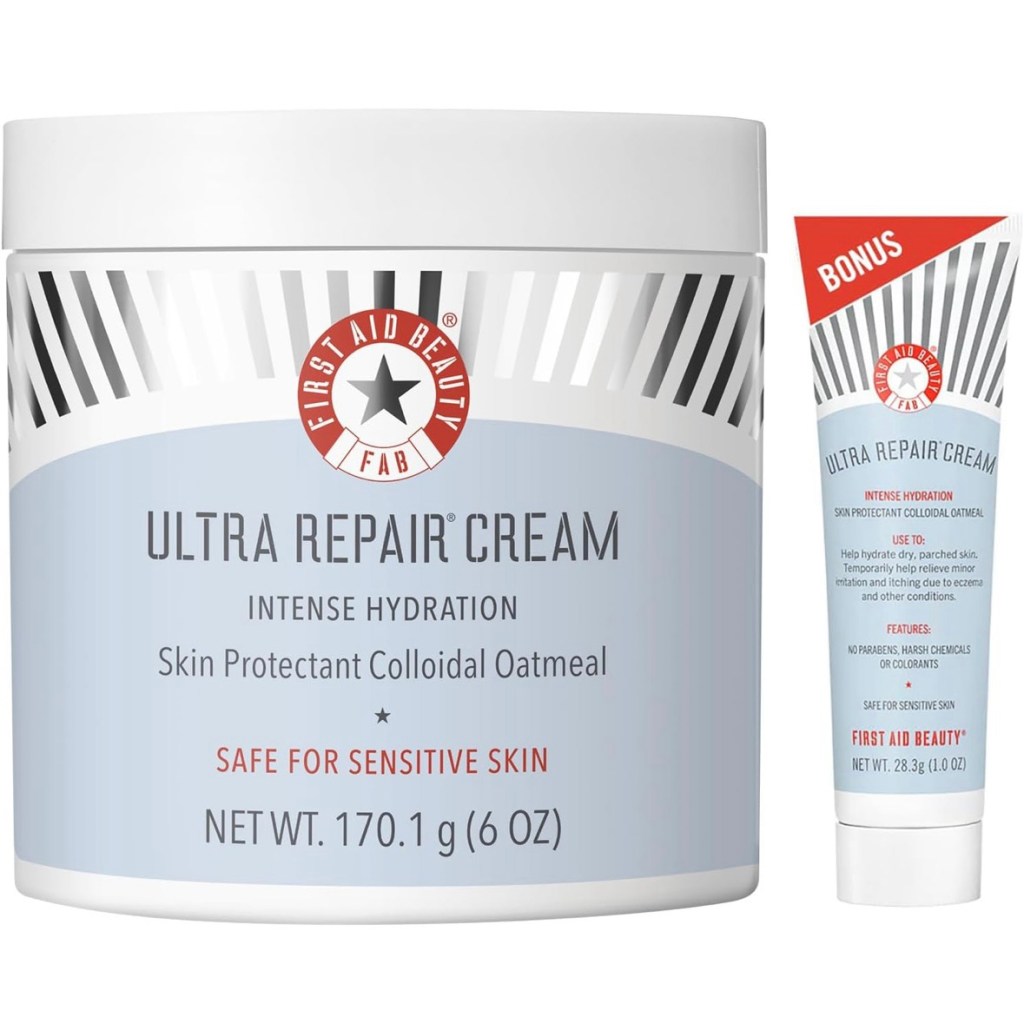
    Container and tube of First Aid Beauty Ultra Repair Cream featuring colloidal oatmeal for intense hydration and sensitive skin care.
    First Aid Beauty Ultra Repair Cream – Intense Hydration with Colloidal Oatmeal, safe for sensitive skin.
    Close-up of First Aid Beauty Ultra Repair Cream jar with text highlighting clinical results including barrier repair and hydration.
    Clinically proven results – strengthens skin barrier, hydrates for 24 hours, relieves eczema and psoriasis.
    Side-by-side photos showing a person's cheek before and after using Ultra Repair Cream, with reduced redness and dryness.
    Visible results after two weeks – from dry, irritated skin to healthier-looking complexion.
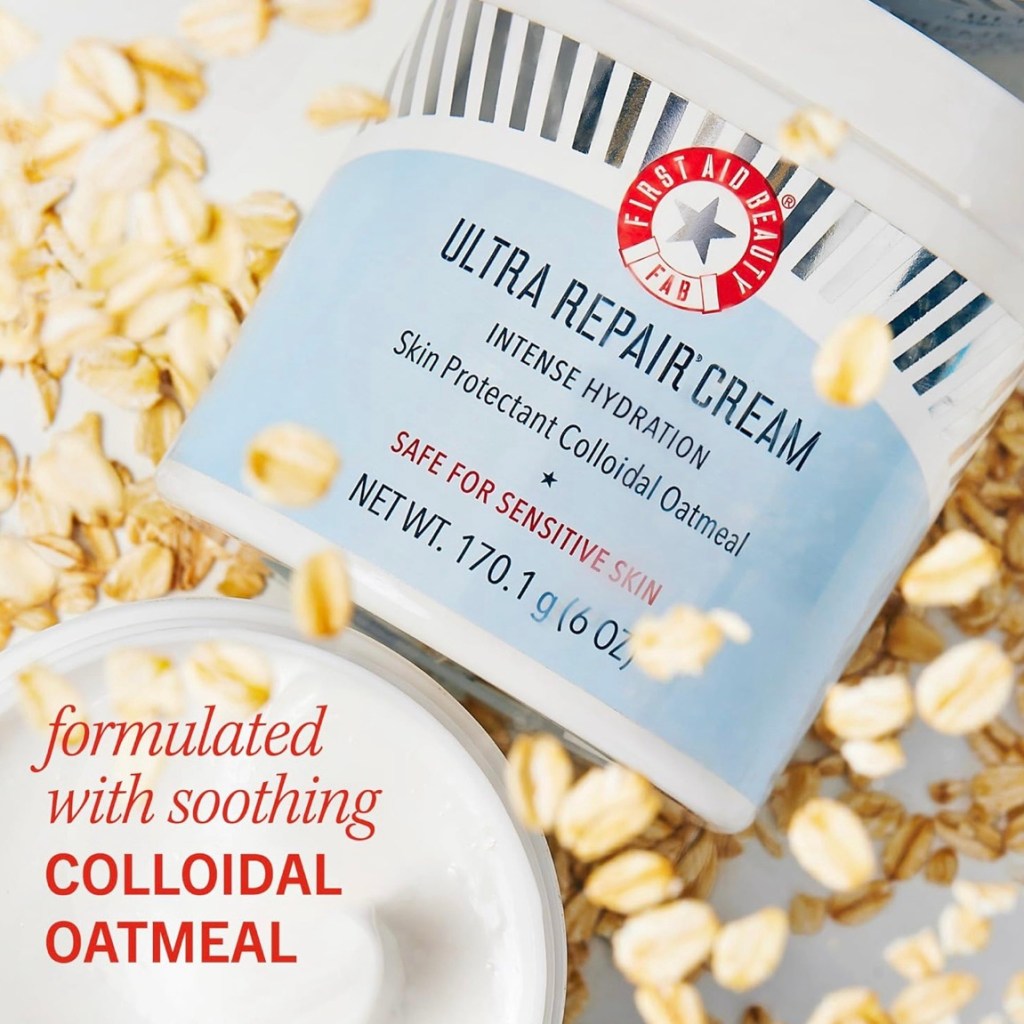
    Jar of First Aid Beauty Ultra Repair Cream surrounded by oats, highlighting colloidal oatmeal ingredient.
    Formulated with soothing colloidal oatmeal for calming and protective care.
    First Aid Beauty Ultra Repair Cream jar on white background with text showing 100% user satisfaction.
    Trusted by users – 100% reported improved skin soothing, hydration, and conditioning.
    • Key Ingredients: Colloidal oatmeal, shea butter, allantoin, antioxidants.
    • Features: Free from fragrance, alcohol, parabens; whipped texture; kid-safe.
    • Why We Like It: Calms irritation quickly and deeply hydrates during harsh weather.

    Check on Amazon


    4. Vanicream Moisturizing Skin Cream

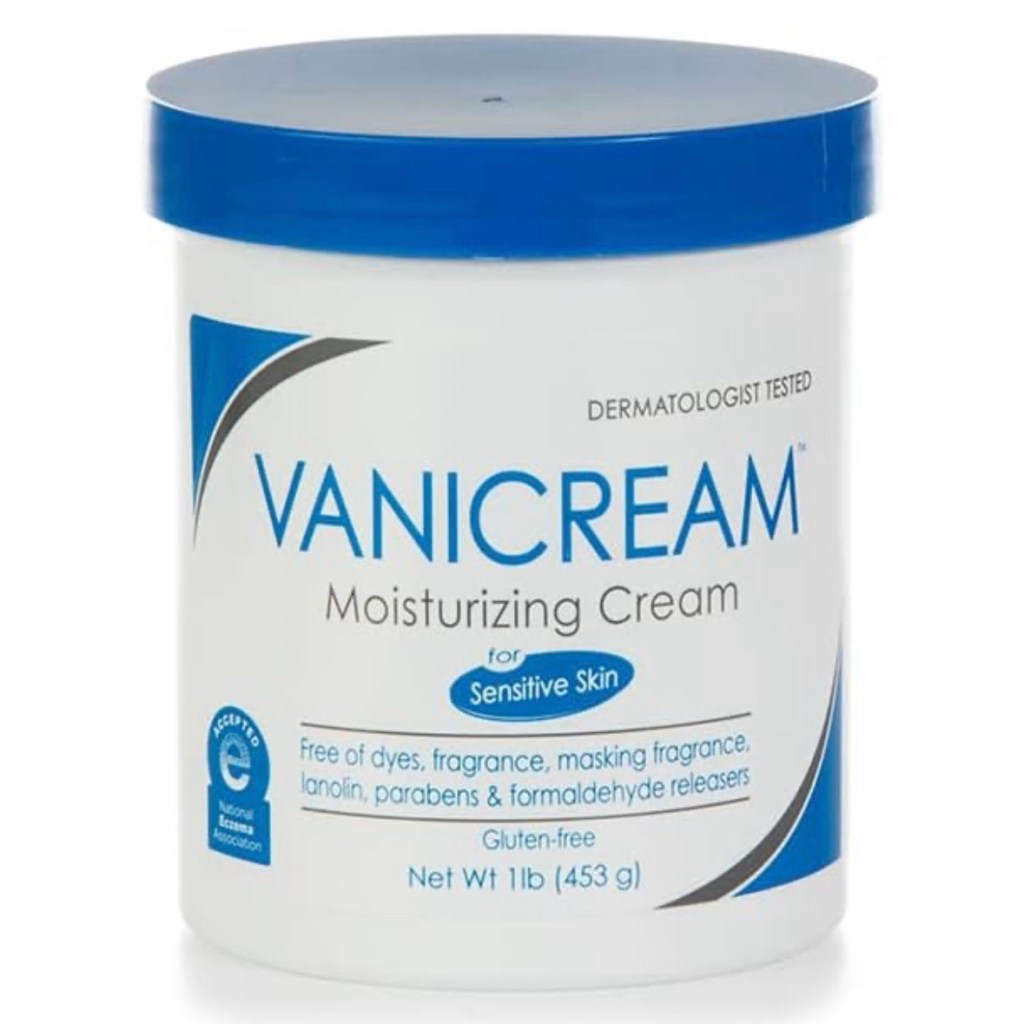
    A white tub with a blue lid labeled Vanicream Moisturizing Cream for sensitive skin, showing “free of dyes, fragrance, lanolin, parabens, and formaldehyde releasers.
    Vanicream Moisturizing Cream – dermatologist-tested, ideal for sensitive skin.
    Three Vanicream Moisturizing Cream containers (jar, tube, pump bottle) on white towels, text highlighting fragrance-free formula for sensitive skin.
    Multiple sizes of Vanicream Moisturizing Cream, fragrance-free and gentle.
    Blue background with icons showing Vanicream’s features: dye-free, fragrance-free, lanolin-free, paraben-free, formaldehyde-free, gluten-free, non-comedogenic.
    Vanicream Moisturizing Cream – free from common irritants.
    A jar of Vanicream Moisturizing Cream on a bathroom counter next to a soap dish and faucet.
    Vanicream Moisturizing Cream – everyday use in your skincare routine.
    • Key Ingredients: Glycerin, petrolatum for moisture and barrier support.
    • Features: Free of dyes, fragrance, parabens, formaldehyde, lanolin; dermatologist tested.
    • Why We Like It: Minimal-ingredient formula ideal for very sensitive or allergy-prone skin.

    Check on Amazon


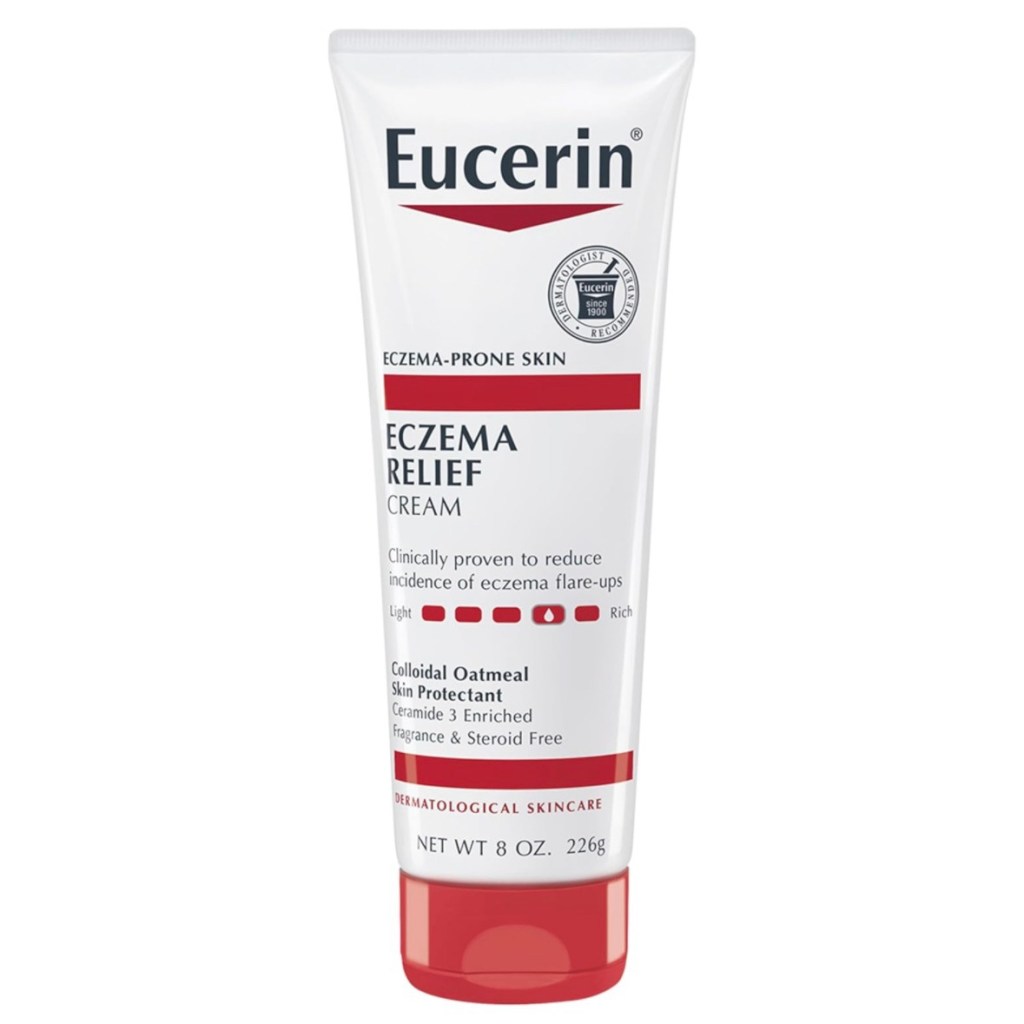
    5. Eucerin Eczema Relief Cream

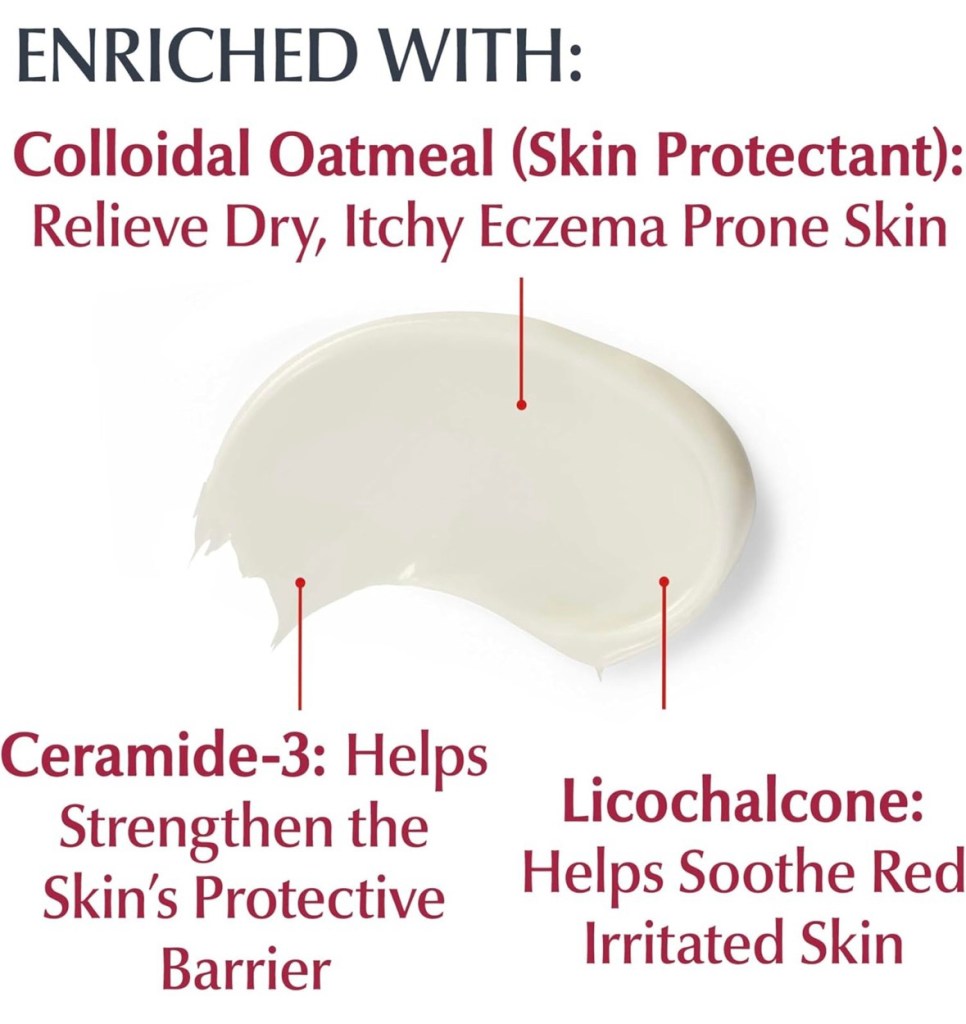
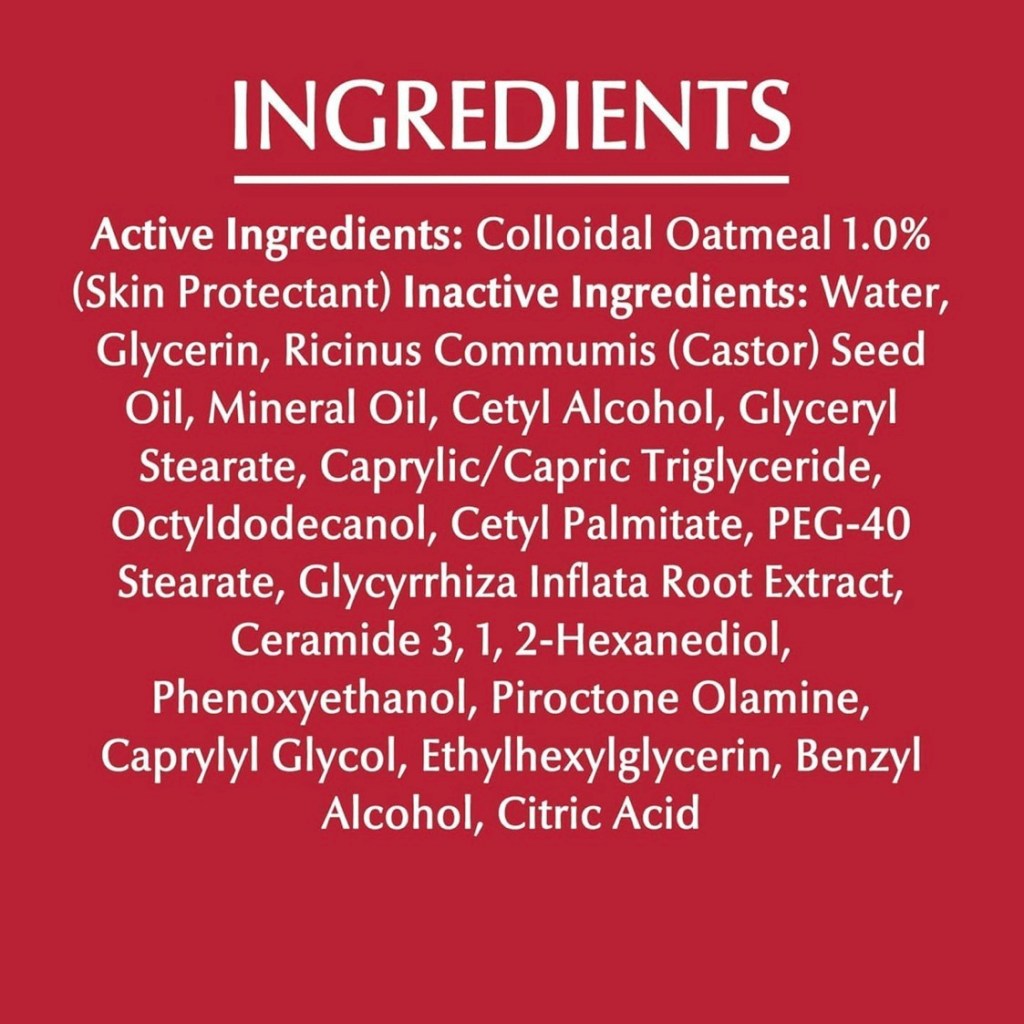
    • Key Ingredients: Colloidal oatmeal, ceramide-3, licorice root extract.
    • Features: Steroid-free, fast absorbing, non-greasy; NEA Seal of Acceptance.
    • Why We Like It: Works well for both children and adults; effective for flare-up relief.

    Check on Amazon


    Key Takeaway

    Eczema care is about more than just hydration—it’s about strengthening and protecting the skin barrier. Look for formulas that combine soothing ingredients like colloidal oatmeal and ceramides, and keep your routine free from common irritants.

    If you’ve struggled with eczema, investing in the right cream can truly change your skin’s health and comfort. For me, switching to ceramide-based products was a turning point—and it could be for you, too.


    This post contains affiliate links.
    If you choose to purchase through these links, I may receive a small commission at no extra cost to you.
    Thank you for supporting this blog and our journey toward clean, conscious living.

  • Best Blenders for Healthy Living: Vitamix vs. Ninja – Which One’s Right for You?

    If you’re diving into smoothies, soups, and juices to support your gut or overall wellness, the right blender can make all the difference. Whether you’re a health-conscious parent or a busy professional trying to eat clean, your blender should work with you, not against you.

    Let’s break down two of the most popular choices on the market: Vitamix and Ninja.

    If you haven’t seen it yet, I recently shared a post on gut-healthy smoothie and soup recipes you can make in a blender. These recipes work beautifully with both Vitamix and Ninja models!


    1. Vitamix: The Powerhouse for Serious Blending

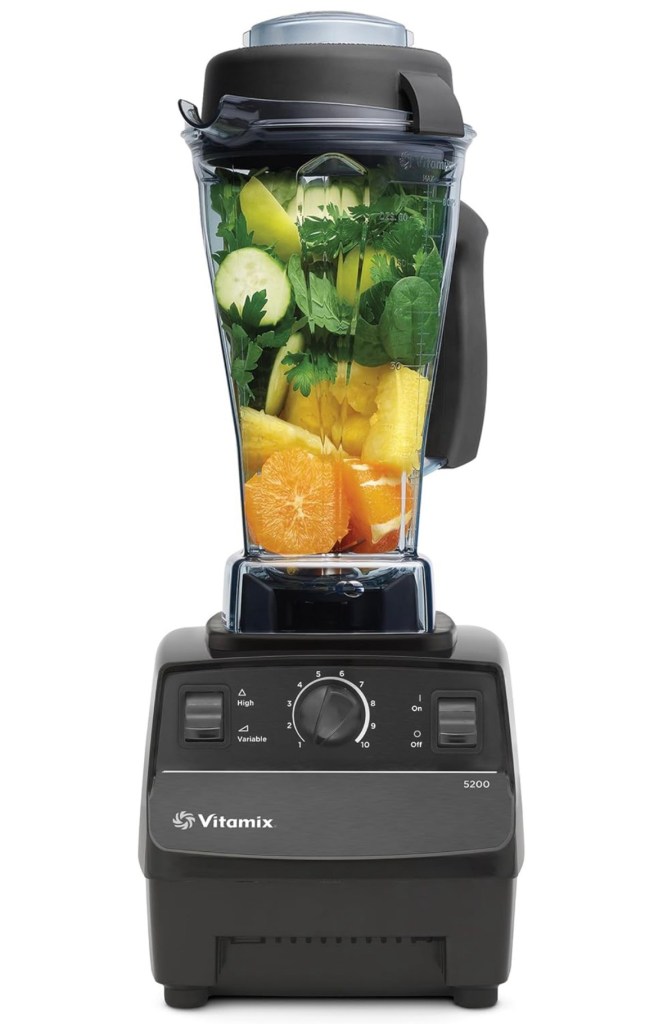
    Vitamix 5200 blender with greens and citrus inside
    Vitamix 5200 Blender, Professional-Grade, 64 oz Container, Self-Cleaning, Black
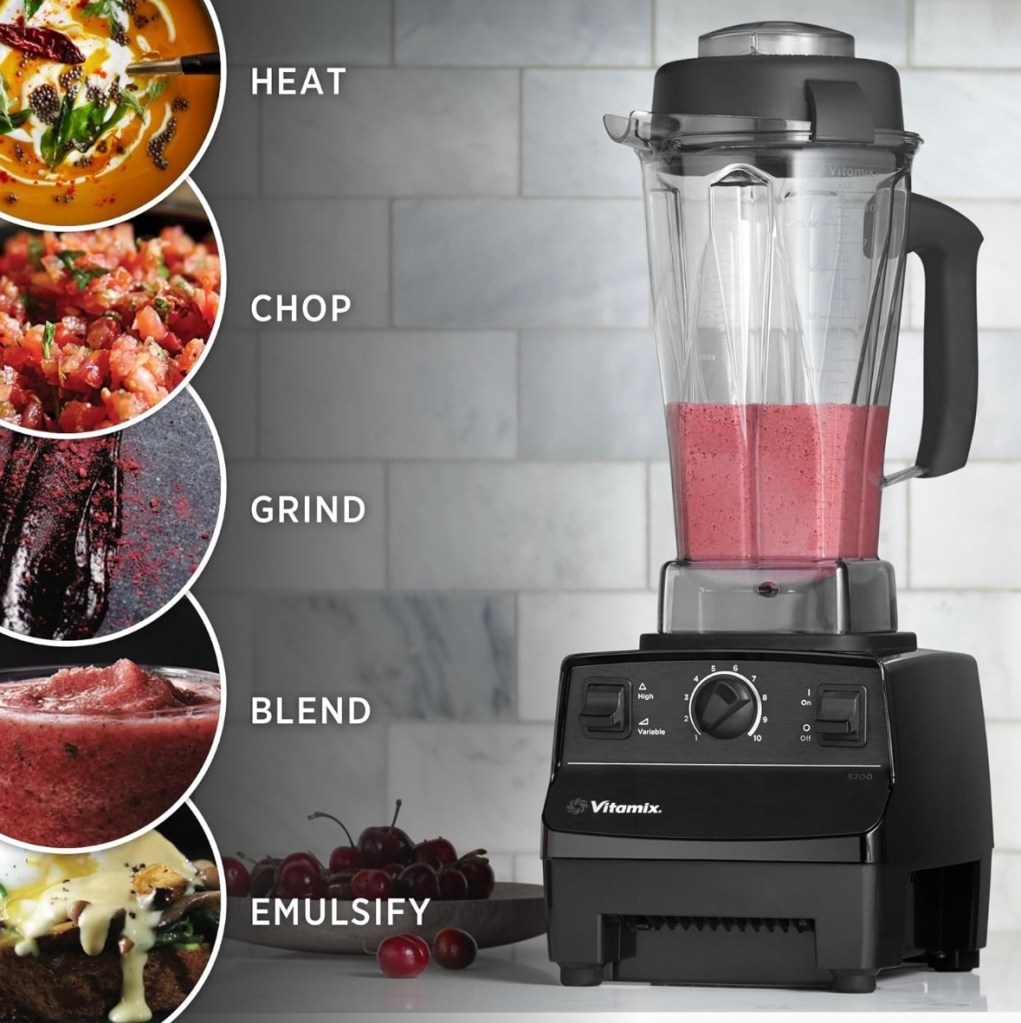
    "Vitamix blender functions including soup, baby food, nut butters, and frozen desserts

    Pros:

    • Exceptional power: Crushes frozen fruits, ice, nuts, and raw veggies with ease.
    • Durability: Built to last for years — even with daily use.
    • Versatile functions: Ideal for smoothies, nut butters, hot soups, dips, and more.
    • Self-cleaning: Just add water and dish soap, blend, and rinse.

    Cons:

    • Higher price point: Typically $350–$600 depending on model.
    • Larger and heavier: Takes up more counter space.

    Best for: Wellness-focused users who blend often and want professional-grade results.

    Check on Amazon


    2. Ninja: Affordable & Convenient for Everyday Use

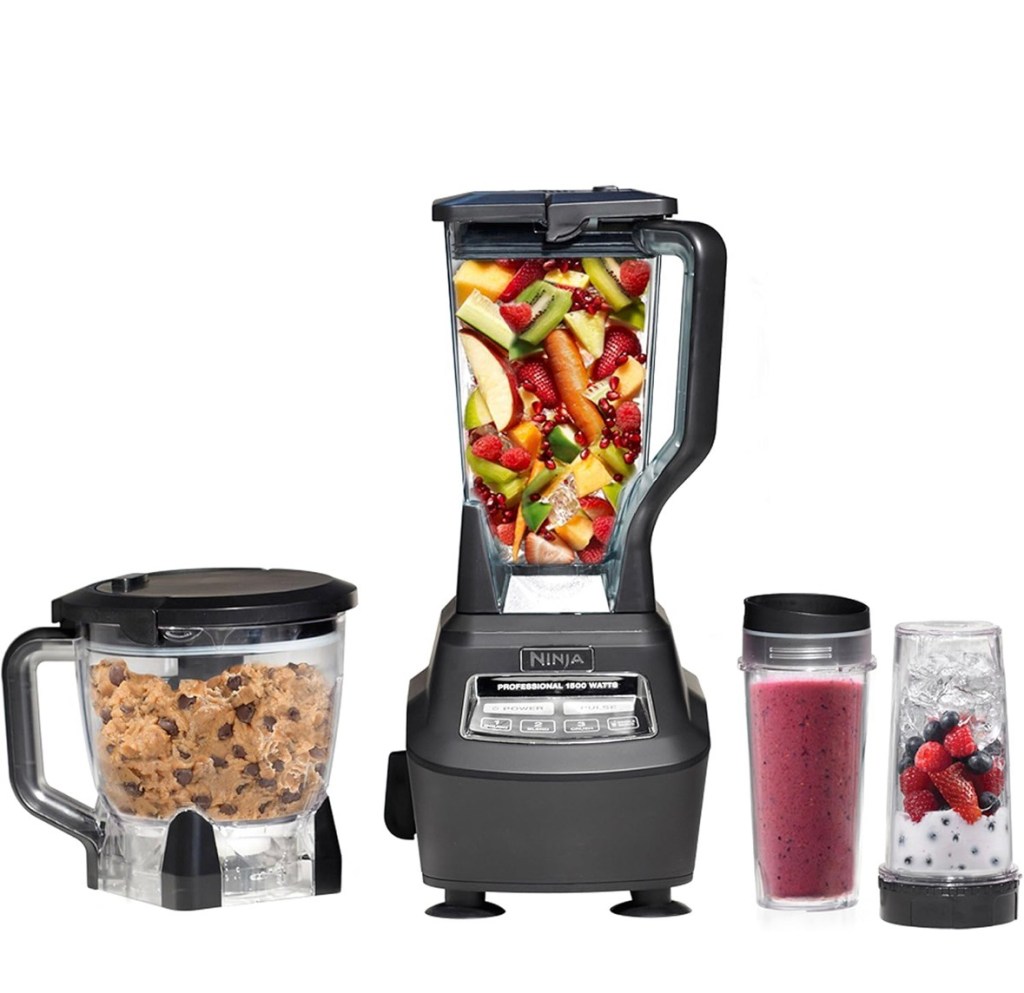
    Ninja Mega Kitchen System blender with attachments and smoothies
    Ninja Blender, Mega Kitchen System, 1500W, 4 Functions for Smoothies, Processing, Dough, Drinks & More

    Ninja Total Crushing Pitcher with fruits and vegetables
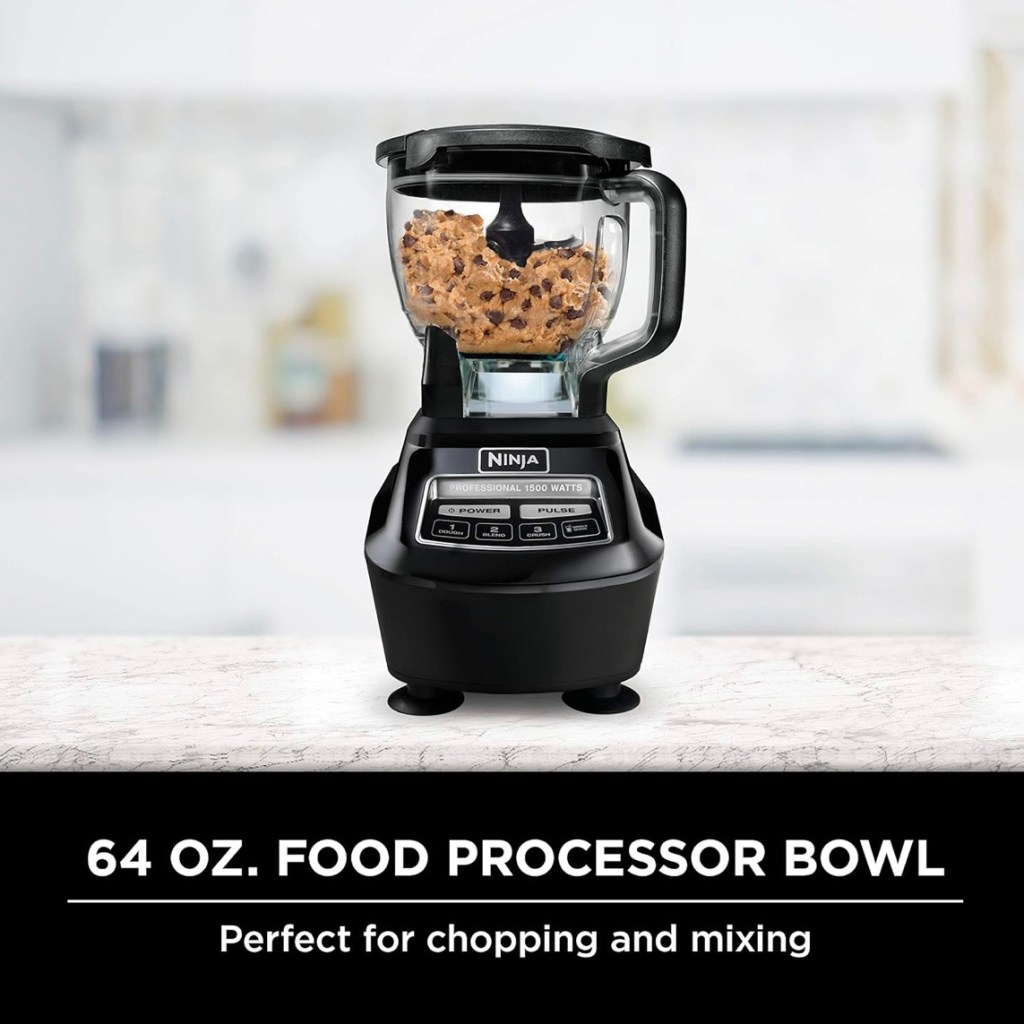
    Ninja food processor bowl with cookie dough
    Ninja personal cup with smoothie and fruits

    Pros:

    • Budget-friendly: Great performance at a lower cost ($80–$200 range).
    • Compact designs: Easier to store in smaller kitchens.
    • Multiple attachments: Many models come with single-serve cups, food processor bowls, etc.
    • Good power: Handles frozen fruits, greens, and smoothies well.

    Cons:

    • Not as durable: May wear down faster with heavy daily use.
    • Less effective for hot soups: Some models aren’t built to handle heat or long blending times.

    Best for: Beginners, families on a budget, or casual smoothie makers.

    Check on Amazon


    Which One’s Right for You?

    • If you’re making gut-friendly soups, thick green smoothies, and want longevity, Vitamix is a worthy investment.
    • If you’re just starting out with healthy blending or want something more affordable and compact, Ninja is a solid pick.

    My Pick for Gut-Healthy Living?

    I personally use a Vitamix, especially for recipes like my Lentil Veggie Soup or Avocado Green Smoothie. It handles hot ingredients, leafy greens, and frozen fruits beautifully — all in one container.

    But if you’re just starting out or need something simple for your morning routine, I’ve also tested and liked several Ninja models — especially the ones with personal-sized cups.


    Recommended Models

    Vitamix Picks:

    Vitamix blender filled with fruits and veggies on a bright blue background

    Vitamix A3500 blender for smoothies, soups, nut butters, and baby food

    Ninja Picks:

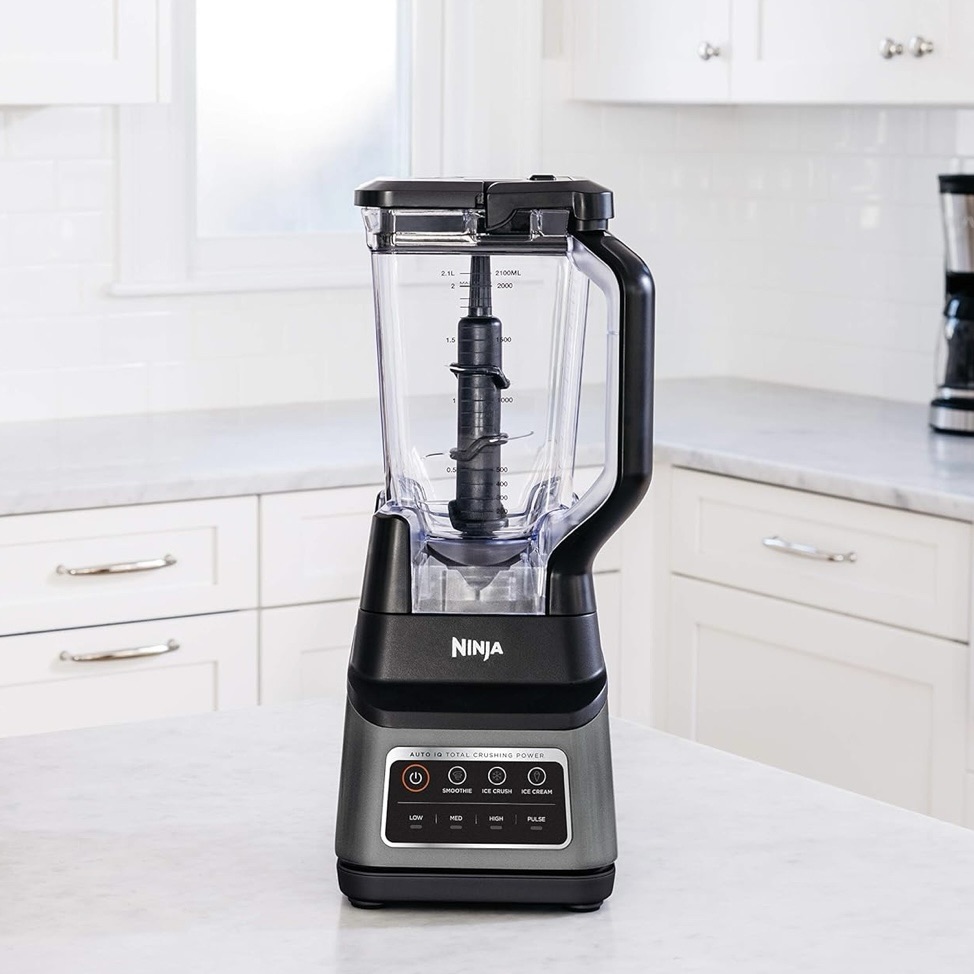
    Ninja BN701 Professional Plus Blender on white kitchen counter with clear pitcher and black control panel
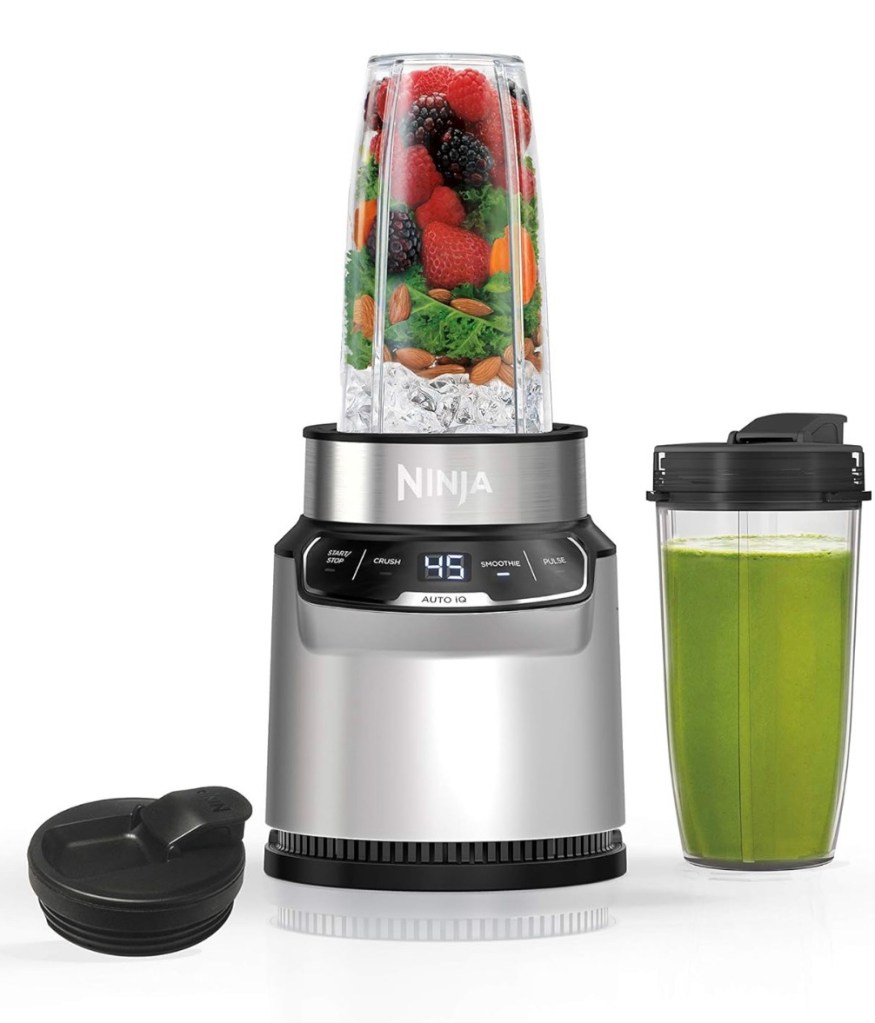
    Ninja Nutri Pro Compact Personal Blender with smoothie cup, green juice, and personal lid on white background

    Final Thoughts

    Whichever you choose, both Vitamix and Ninja can help make healthy eating easier — especially when you’re blending your way to better digestion, energy, and immune health.

    If you’ve tried either of these blenders, share your experience in the comments! And stay tuned — next week I’ll share more blender-friendly wellness recipes you can make in under 5 minutes.


    This post contains affiliate links.
    If you choose to purchase through these links, I may receive a small commission at no extra cost to you.
    Thank you for supporting this blog and our journey toward clean, conscious living.
  • 5 Easy Blender Recipes for Gut Health: Smoothies, Juices & Soups You’ll Actually Love

    Feeling bloated? Struggling with digestion or just wanting to boost your gut health naturally?
    As a parent and wellness-focused home cook, I’ve found that the simplest tools in our kitchen — like a good blender — can make the biggest difference. These 5 easy, gut-friendly recipes are packed with fiber, probiotics, and anti-inflammatory ingredients to support digestion, energy, and mood.


    1. Banana-Ginger Gut Soother Smoothie

    Hands slicing banana on a cutting board with Greek yogurt, bananas, and ginger ingredients prepared for a gut-soothing smoothie
    • 1 ripe banana
    • 1/2 tsp grated fresh ginger
    • 1/2 cup plain Greek yogurt
    • 3/4 cup unsweetened almond milk
    • 1 tsp honey (optional)
    • A pinch of cinnamon

    Blend all ingredients until smooth. Best served fresh.

    Why it helps: Banana is rich in prebiotic fiber, while ginger supports digestion and calms the stomach.


    2. Blueberry Oatmeal Breakfast Smoothie

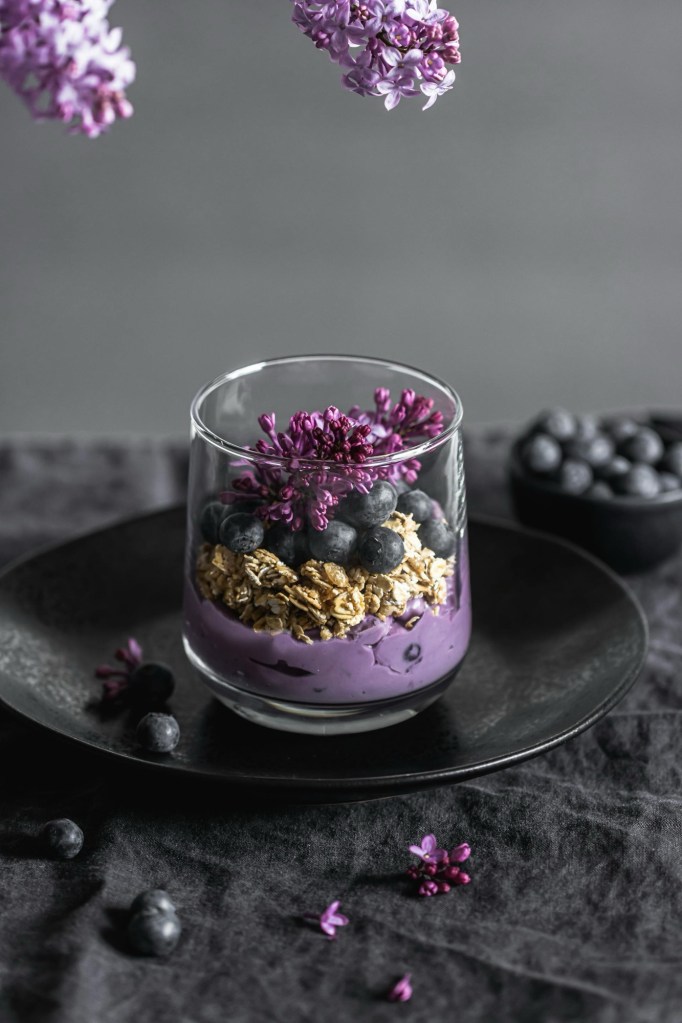
    Glass cup filled with layers of blueberry yogurt, granola, and fresh blueberries topped with purple edible flowers
    • 1/2 cup frozen blueberries
    • 1/4 cup rolled oats
    • 3/4 cup almond milk
    • 1/4 cup vanilla yogurt
    • 1 tsp chia seeds (optional)

    Blend until creamy. Let sit 2–3 minutes for oats to soften, or prep the night before.

    Why it helps: Oats feed beneficial gut bacteria and support regularity. Blueberries add antioxidants for overall wellness.


    3. Avocado Green Smoothie

    Thick green avocado smoothie being poured from a blender into a wooden bowl
    • 1/2 ripe avocado
    • 1 handful of spinach
    • 1/2 banana
    • 1 kiwi, peeled
    • 1/2 cup unsweetened Greek yogurt
    • 3/4 cup water or almond milk

    Blend until smooth and creamy. Adjust thickness with water or almond milk.

    Why it helps: Avocado provides healthy fats and fiber, while leafy greens support digestion and detoxification.


    4. Beet-Carrot-Apple Gut Cleanse Juice

    Two glasses of bright red beet-carrot-apple juice with lemon slices, surrounded by fresh carrots, lemon, and sliced beet on a dark surface outdoors.
    • 1 small beet (peeled & chopped)
    • 1 carrot
    • 1/2 apple
    • Juice of 1/2 lemon
    • 1/2 cup water

    Blend all ingredients, then strain if desired for a smoother juice.

    Why it helps: Beets and carrots promote liver detox, while apple and lemon boost digestion and add natural sweetness.


    5. Gut-Friendly Lentil & Veggie Soup (For your blender’s soup mode!)

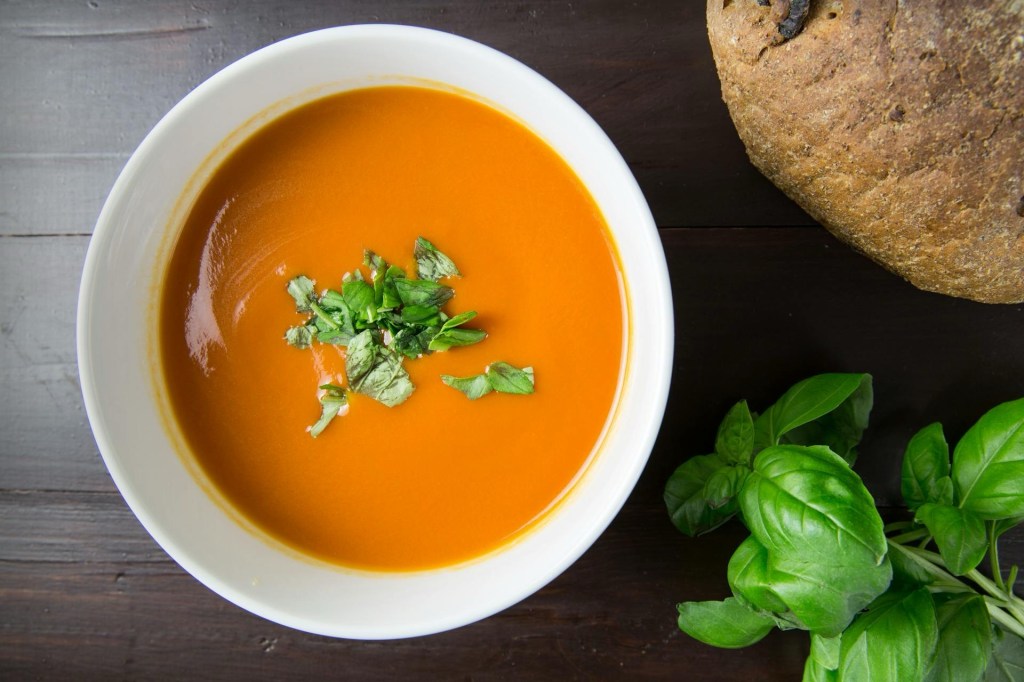
    Bowl of bright orange lentil and vegetable soup topped with fresh herbs, next to a piece of whole grain bread and basil leaves
    • 1/2 cup cooked lentils
    • 1/2 carrot
    • 1/2 celery stalk
    • 1/4 cup chopped tomato
    • 1 garlic clove
    • 1/2 tsp cumin
    • 1 cup vegetable broth

    Add all ingredients to a high-speed blender and run the soup setting. Serve warm.

    Why it helps: Lentils are rich in fiber and prebiotics. The added vegetables and spices help soothe inflammation and support the gut lining.


    What’s Next?

    All of these can be made with a high-powered blender. But not all blenders handle frozen fruit, leafy greens, or hot liquids equally well.
    In my next post, I’ll be reviewing Vitamix vs. Ninja blenders to help you choose the one that works for your lifestyle and budget!

  • Love Ramen but Hate the Bloat? 5 Cleaner Alternatives You Can Actually Enjoy

    I’ve always loved instant ramen — it’s quick, cozy, and delicious.

    But over time, I started noticing it wasn’t making me feel my best.

    I worried about the high sodium, the extra calories, and even some skin issues that seemed to flare up.

    That’s when I began searching for healthier options that could still satisfy my ramen cravings without the downsides.

    Instant ramen is delicious and comforting, but traditional options are often loaded with sodium, preservatives, and empty calories.

    If you crave that savory goodness but want healthier options, here are five better alternatives you can feel good about eating!


    1. Immi High Protein Ramen

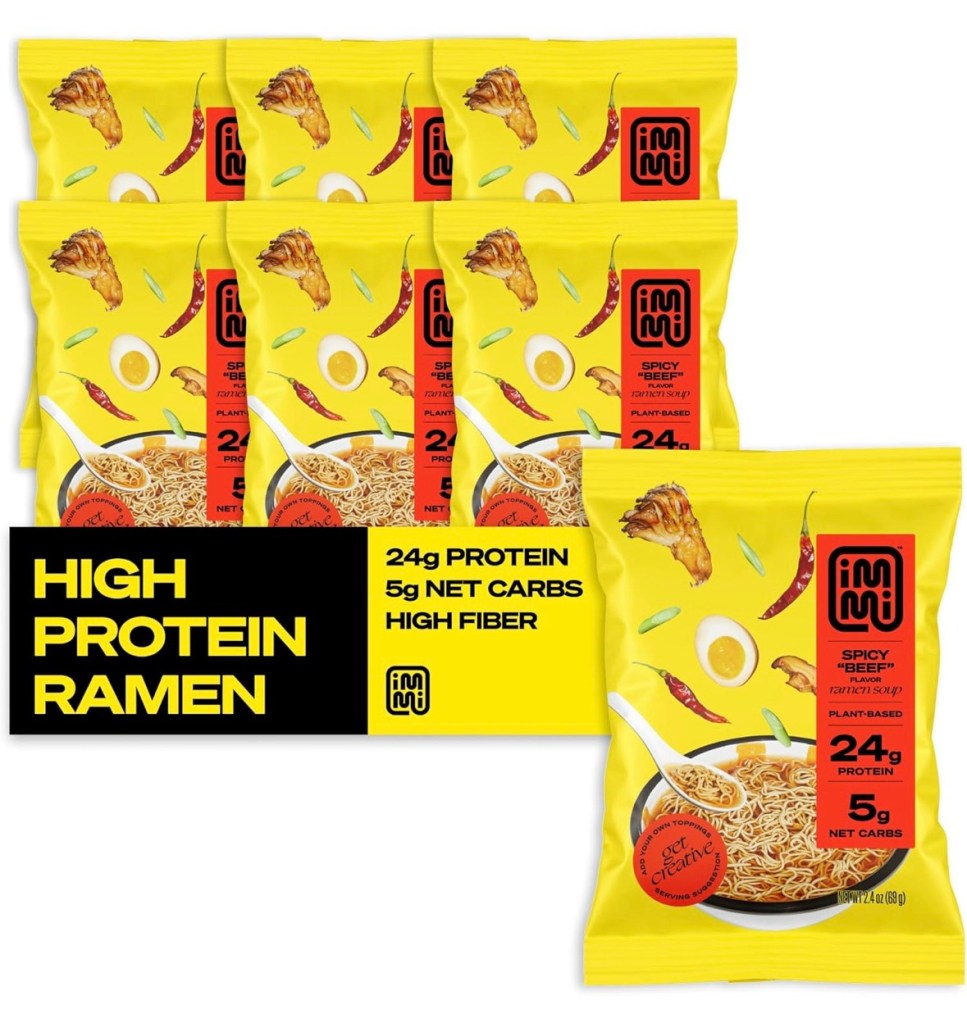
    Immi High Protein Ramen - Low-carb, high-protein instant ramen alternative for healthy eating
    immi Spicy “Beef” Ramen

    → Check on Amazon

    • Plant-based, low-carb ramen packed with protein
    • Vegan, gluten-free, keto-friendly
    • Flavors: Tom Yum, Spicy Beef, and more

    Why it’s better: High in protein and fiber, but low in carbs and sodium. A smart swap for traditional ramen lovers.


    2. Lotus Foods Rice Ramen

    Lotus Foods Rice Ramen - Organic brown rice and millet noodles, gluten-free ramen substitute
    Lotus Foods Organic Millet & Brown Rice Ramen with Miso Soup

    → Check on Amazon

    • Made with organic brown rice or millet
    • Gluten-free; broth needs to be prepared separately or homemade

    Why it’s better: Uses whole grains instead of refined wheat flour. A clean, simple choice for a gluten-free lifestyle.


    3. Mike’s Mighty Good Craft Ramen

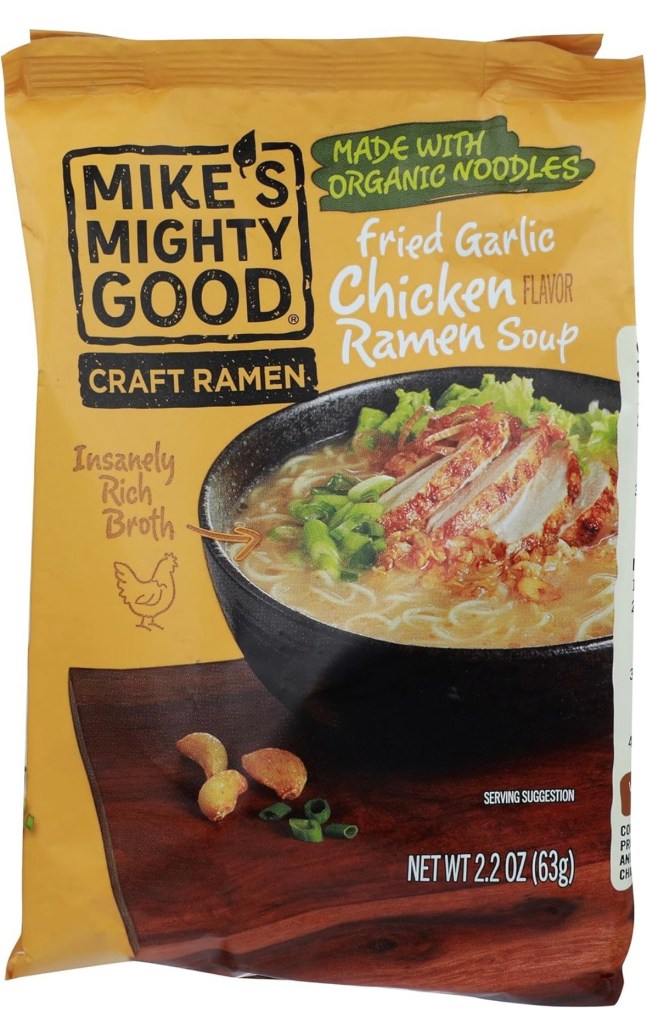
    Mike’s Mighty Good Craft Ramen - Organic broth and non-fried noodles for a healthier ramen option
    MIKES MIGHTY GOOD Organic Fried Garlic Chicken Ramen

    → Check on Amazon

    • Organic broth base + steamed, non-fried noodles
    • Rich, deep flavor without preservatives

    Why it’s better: One of the few packaged ramens without preservatives or MSG. Tastes homemade!


    4. Ocean’s Halo Ramen Broth + Lotus Noodles

    Ocean’s Halo Organic Ramen Broth - Seaweed-based low-sodium broth with Lotus Foods noodles
    Ocean’s Halo, Organic and Vegan Ramen Broth

    → Check on Amazon

    • Organic miso or seaweed-based broth
    • DIY combination with your favorite healthier noodles

    Why it’s better: Lower sodium and made with gut-healthy seaweed extract for a nourishing bowl.


    5. Homemade Ramen-Style Noodle Kits

    Homemade ramen-style noodle kit with whole grain noodles, organic miso, pasture-raised egg, and fresh vegetables
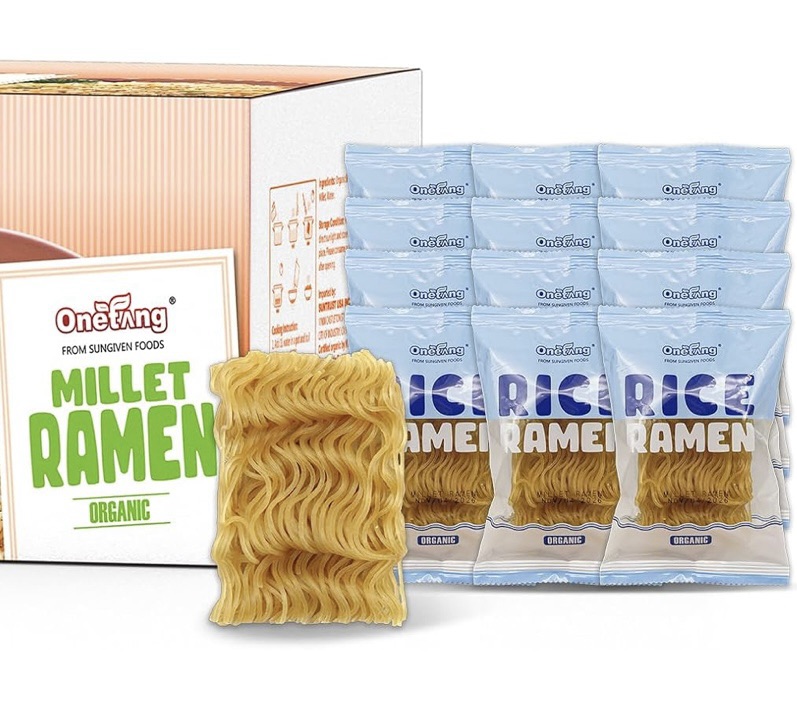
    ONETANG Organic Millet & Brown Rice Ramen Noodle

    → Check on Amazon

    Homemade ramen-style noodle kit with whole grain noodles, organic miso, pasture-raised egg, and fresh vegetables
    Marukome Organic Broth, Miso

    → Check on Amazon

    • Whole grain noodles + organic miso + pasture-raised egg + fresh veggies
    • Customizable at home

    Why it’s better: You control the ingredients, ensuring no additives while maximizing flavor and nutrition!


    Final Thoughts

    You don’t have to give up ramen nights! With a few smarter choices, you can satisfy your cravings without the sodium overload and heavy feeling afterward. Try one of these healthier swaps next time you need a cozy, satisfying bowl.


    This post contains affiliate links.
    If you choose to purchase through these links, I may receive a small commission at no extra cost to you.
    Thank you for supporting this blog and our journey toward clean, conscious living.
  • 10 Better-For-You Snack Swaps: Natural Alternatives You Can Buy on Amazon

    Introduction

    Let’s be honest—grabbing a quick snack is part of our daily routine.
    But not all snacks are created equal.
    As more research exposes the long-term effects of ultra-processed foods (UPFs), many of us are looking for better alternatives.
    Whether you’re packing lunchboxes, reaching for a midday bite, or craving something sweet, here’s a roundup of natural snack swaps you can actually feel good about.

    And the best part? You can get them all on Amazon.


    Why Ditch Ultra-Processed Snacks?

    Ultra-processed snacks are loaded with additives, artificial sweeteners, and refined sugars.
    They may be convenient—but they often come at the cost of your energy, focus, gut health, and more.

    Natural snacks, on the other hand, are made with real ingredients—minimal processing, no synthetic chemicals, and often full of the nutrients your body actually craves.


    10 Natural Snack Alternatives You Can Buy on Amazon

    1. BEAR Real Fruit Snack Minis

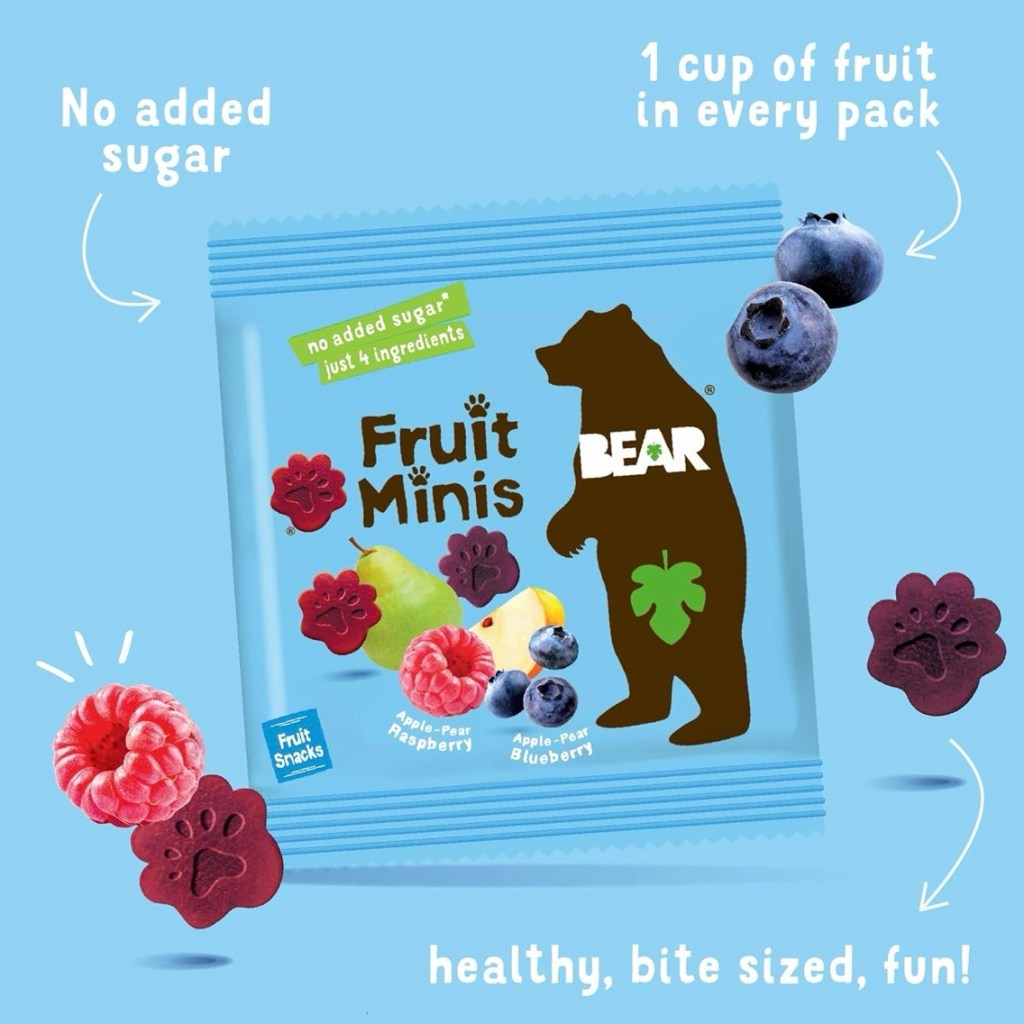
    Box of BEAR Real Fruit Snack Minis made with 100% fruit and no added sugar – healthy natural snack for kids

    Check on Amazon

    • Why it’s better: Made from 100% real fruit with no added sugar, concentrates, or artificial flavors. These chewy rolls are a great swap for sugary gummies, especially for kids’ lunchboxes. Naturally gluten-free and non-GMO.
    • Great for: Kids’ lunchboxes, chewy texture lovers

    2. That’s It. Fruit Bars

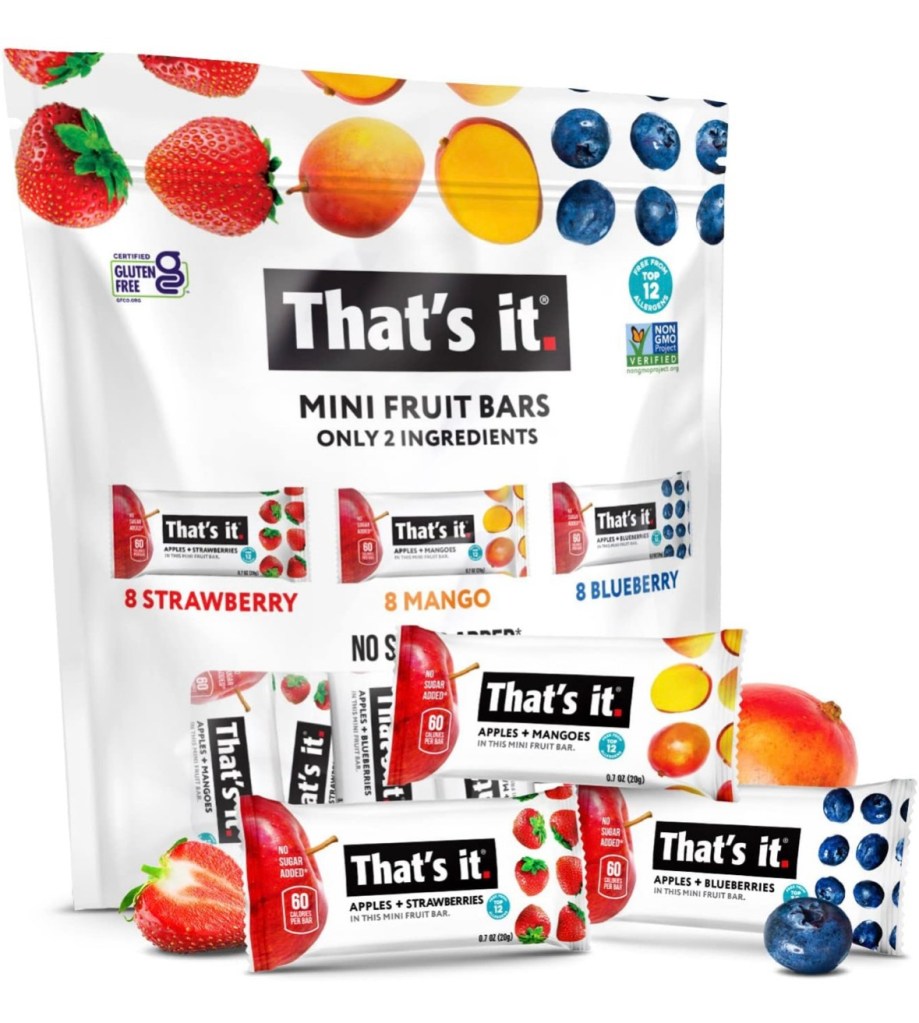
    That’s It. mini fruit bars made with only two ingredients – all-natural snack bars with no added sugar

    Check on Amazon

    • Why it’s better: Each bar is made with just two ingredients—no added sugar, no preservatives, no nonsense. They’re shelf-stable, allergen-free, and ideal for those avoiding gluten, dairy, or soy.
    • Great for: On-the-go adults, hiking snacks

    3. Mavuno Harvest Organic Dried Fruit Pack

    Colorful packs of Mavuno Harvest organic dried fruits including mango, papaya, and jackfruit – ethically sourced and preservative-free

    Check on Amazon

    • Why it’s better: Sustainably sourced, these dried fruits are non-GMO and USDA organic. No added sugar, sulfites, or preservatives—just naturally sweet mango, pineapple, and banana.
    • Great for: A tropical twist to your snack stash

    4. Elan Organic Coconut Smiles

    Elan Organic Coconut Smiles in resealable pouch – gluten-free coconut chips high in fiber and potassium

    Check on Amazon

    • Why it’s better: Lightly toasted coconut chips without added sugar or oil. High in fiber and healthy fats, making it a smarter option for satisfying crunchy cravings.
    • Great for: Afternoon crunch cravings

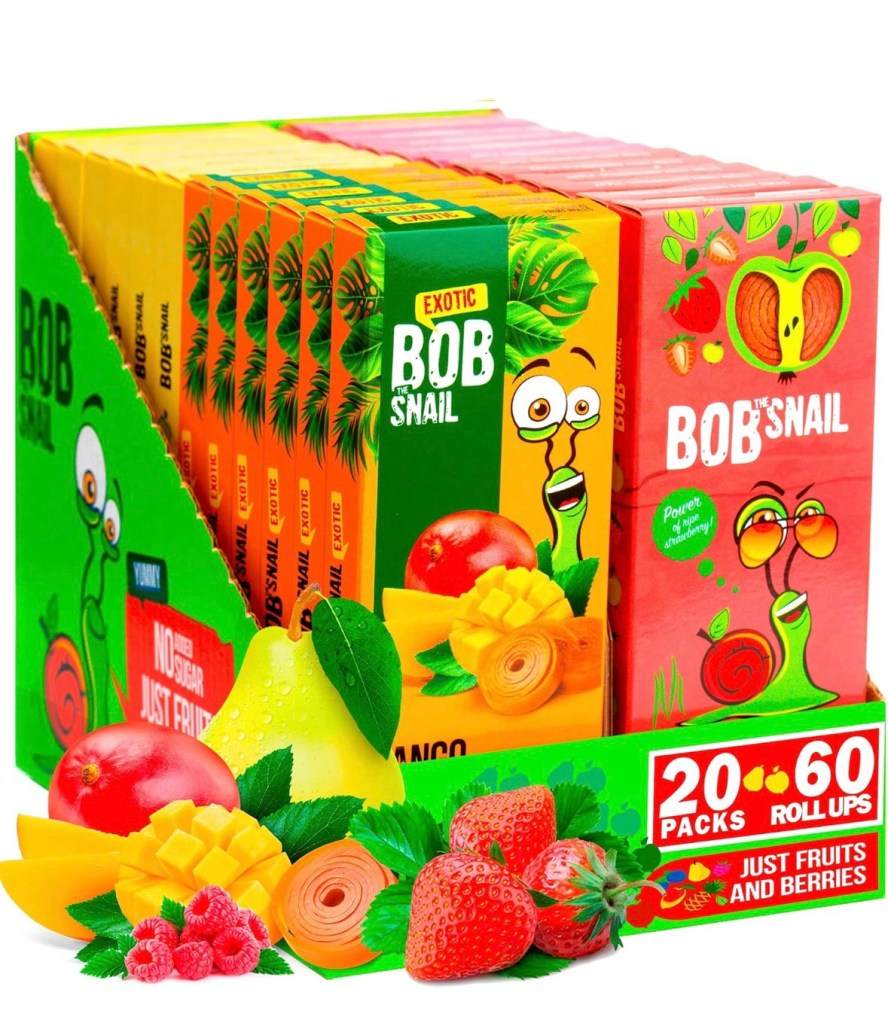
    5. BOB SNAIL Fruit Strips

    BOB SNAIL Fruit Strips – colorful boxes of rolled fruit snacks made from 100% fruit puree with no added sugar, artificial colors, or preservatives. Fun and kid-friendly snack.

    Check on Amazon

    • Why it’s better: Made from 100% fruit purée with no added sugar or artificial additives. These are a fun, fruity, and wholesome alternative to conventional fruit snacks and perfect for lunchboxes.
    • Great for: Guilt-free gummy replacements

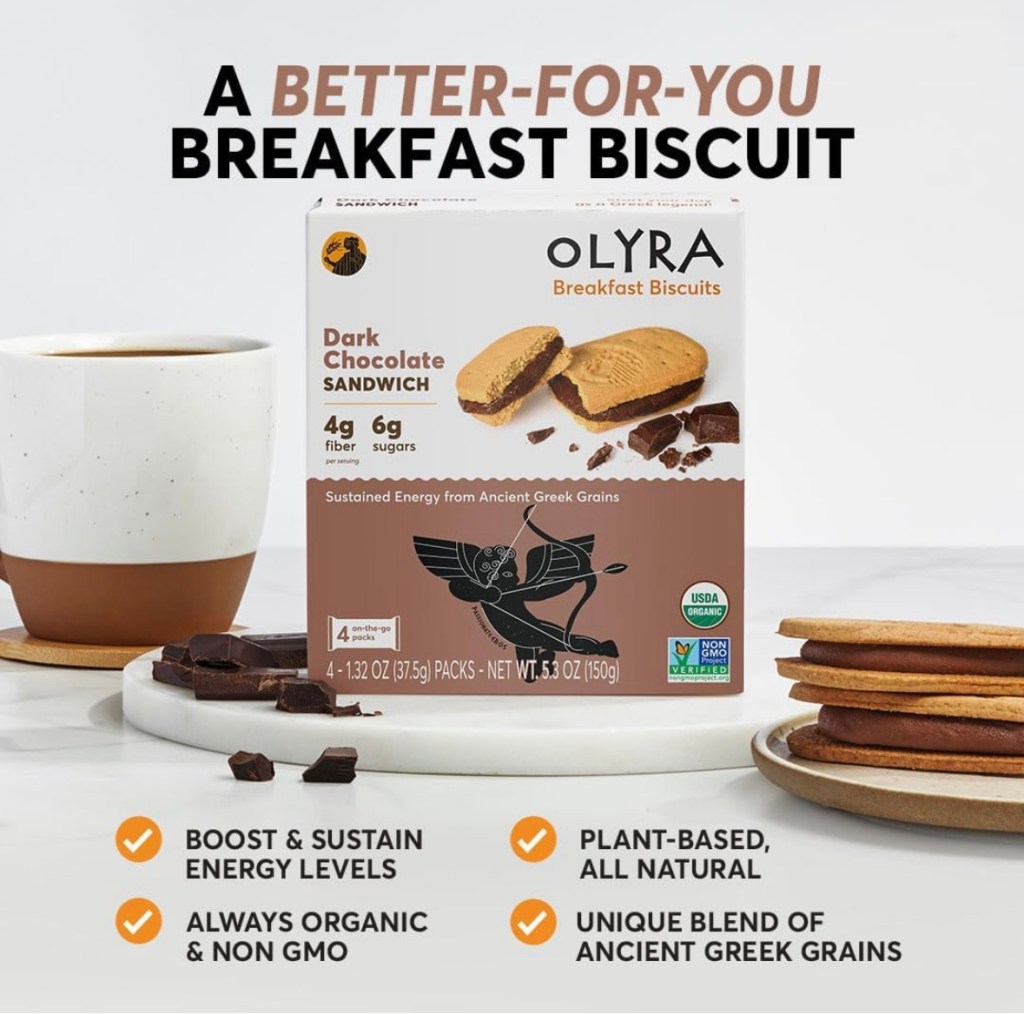
    6. Olyra Ancient Grain Breakfast Biscuits

    Olyra Ancient Grain Breakfast Biscuits – organic breakfast sandwich biscuits made with oats, spelt, and quinoa, available in flavors like dark chocolate and blueberry

    Check on Amazon

    • Why it’s better: Packed with organic oats, spelt, barley, and quinoa, these whole grain biscuits are free from refined sugar and artificial flavors. Rich in fiber and great for digestive health.
    • Great for: Morning grab-and-go energy

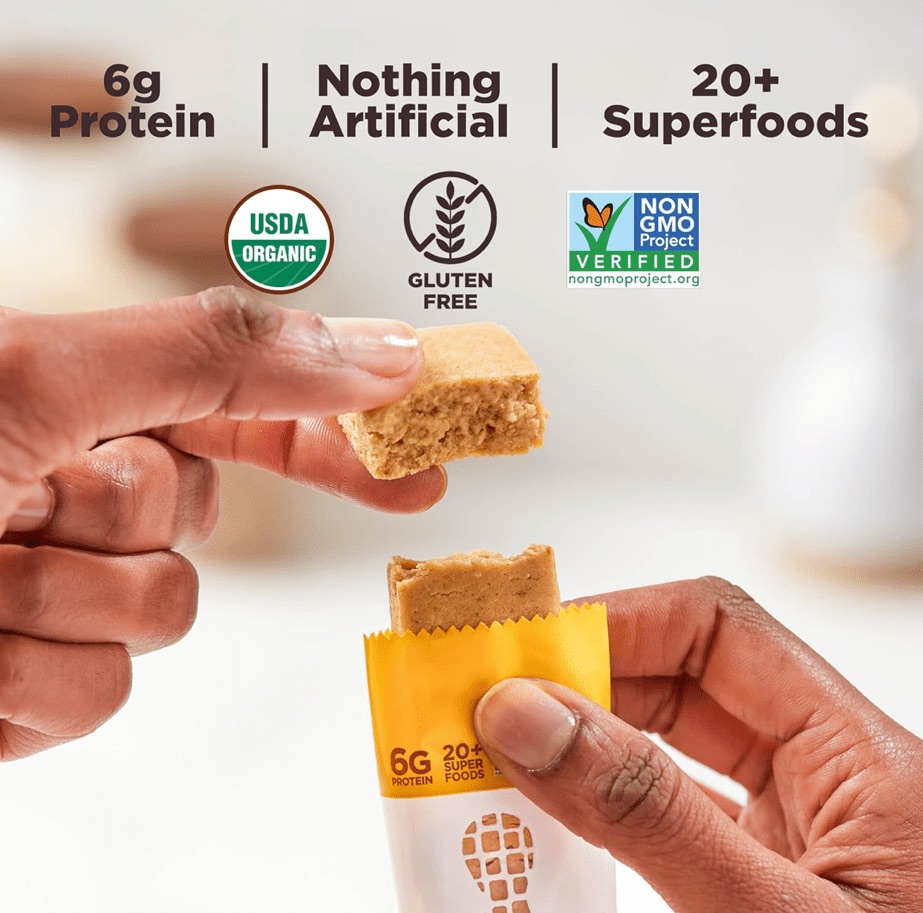
    7. Perfect Bar Mini – Peanut Butter

    Perfect Bar Mini Peanut Butter – protein bars made with real peanut butter and honey, featuring USDA organic and gluten-free labels with over 20 superfoods.

    Check on Amazon

    • Why it’s better: Refrigerated to preserve freshness, these bars are made with real peanut butter and honey, plus over 20 superfoods. High in protein and nutrients with no artificial preservatives.
    • Great for: Post-workout or kid-approved protein

    8. KIND Zero Sugar Added Bars

    KIND Zero Sugar Added Bars – nut and chocolate bars with no added sugar, artificial sweeteners, or sugar alcohols. Keto-friendly and high in fiber.

    Check on Amazon

    • Why it’s better: With no added sugar and a blend of almonds, peanuts, and chicory root fiber, these bars deliver long-lasting energy and taste without the crash. Also low-glycemic and gluten-free.
    • Great for: Sweet tooth without the crash

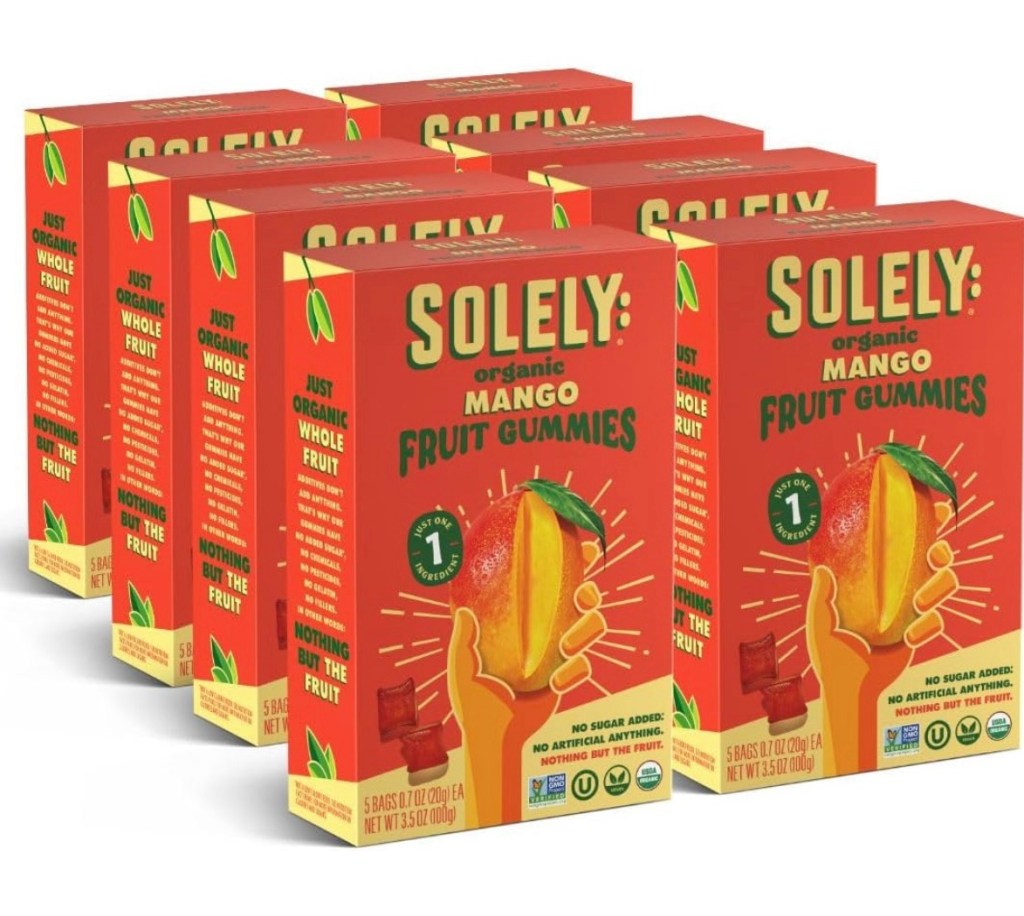
    9. Solely Organic Mango Gummies

    Solely Organic Mango Gummies – organic fruit gummies made with just one ingredient: mango. No added sugar, syrups, or artificial ingredients.

    Check on Amazon

    • Why it’s better: Made with only organic mango, nothing else. No gelatin, no syrups—just one ingredient. Naturally vegan, gluten-free, and kid-friendly.
    • Great for: Candy lovers trying to quit

    10. Nature’s Garden Healthy Trail Mix Packs

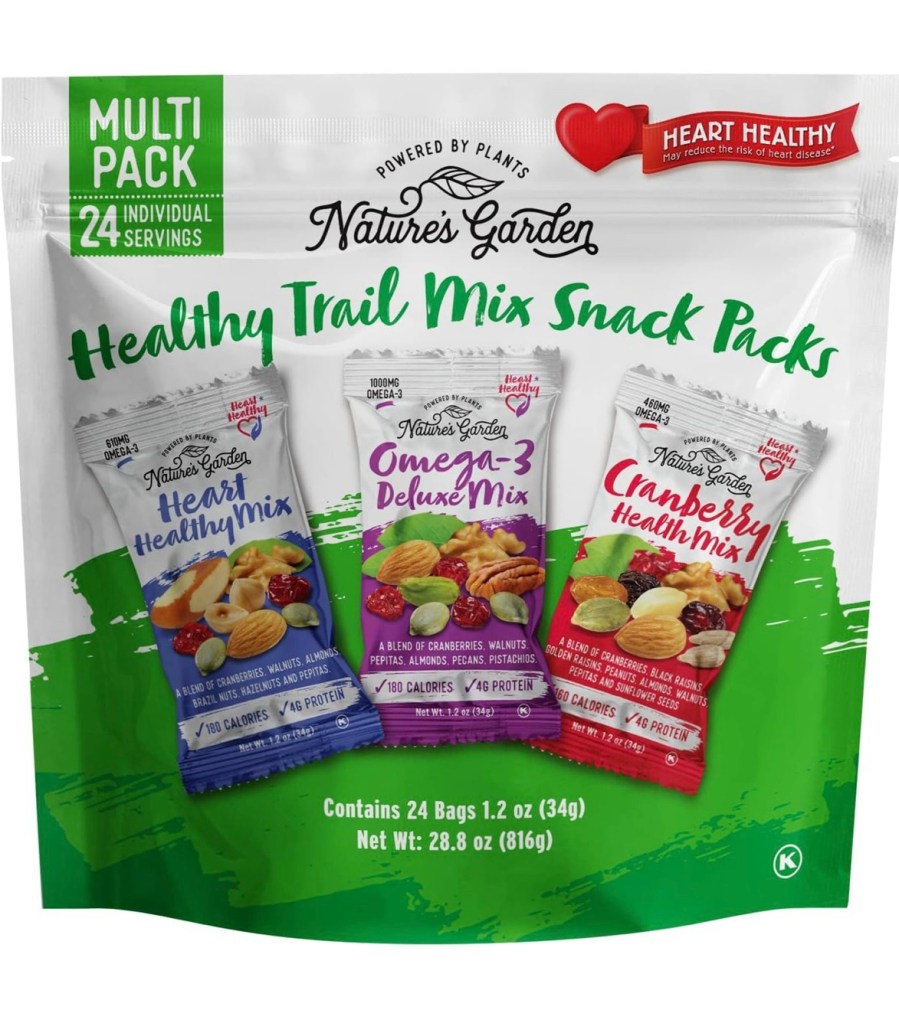
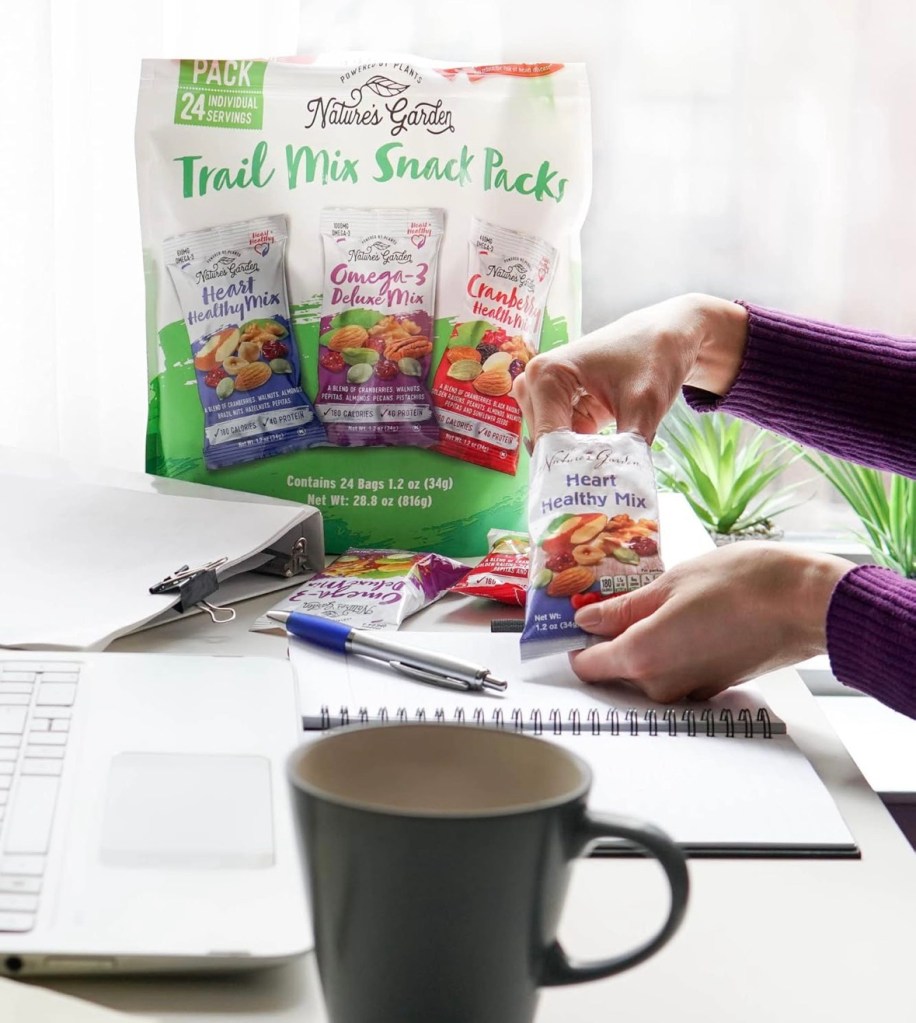
    Nature’s Garden Healthy Trail Mix – individual snack packs with blends of dried fruits, nuts, and seeds, heart-healthy and free from artificial preservatives or added sugar.

    Check on Amazon

    • Why it’s better: A satisfying combo of dried fruits, nuts, and seeds with no added sugar or artificial preservatives. A convenient and heart-healthy snack for all ages.
    • Great for: Energy boost during the afternoon slump

    Final Thoughts

    Healthy snacking doesn’t have to be boring—or difficult.
    By choosing snacks with fewer ingredients and more whole foods, you’re doing your body (and mind) a favor.

    Whether you’re a busy parent, health-conscious professional, or just snack-curious, these natural swaps are a simple way to upgrade your routine—without giving up flavor.


    This post contains affiliate links.
    If you choose to purchase through these links, I may receive a small commission at no extra cost to you.
    Thank you for supporting this blog and our journey toward clean, conscious living.

  • What’s Really Inside Ultra-Processed Foods?

    And why small changes still matter


    Ultra-processed foods aren’t just about sugar and fat. They’re packed with synthetic additives—ingredients we’d never use in our own kitchen.

    But what are they exactly?

    Here are some of the most common types—and what they might be doing to our bodies:


    Artificial Flavors

    Illustration of artificial flavoring with vanilla, fruit, and a dropper bottle, highlighting potential effects like hyperactivity and mood swings

    These are lab-made chemicals designed to mimic real flavors like vanilla, strawberry, or “fruit.” They trick our taste buds without adding any real nutrition.

    • Potential effects: Some artificial flavors are neurostimulants that may be linked to headaches, hyperactivity, and mood swings—especially in children.

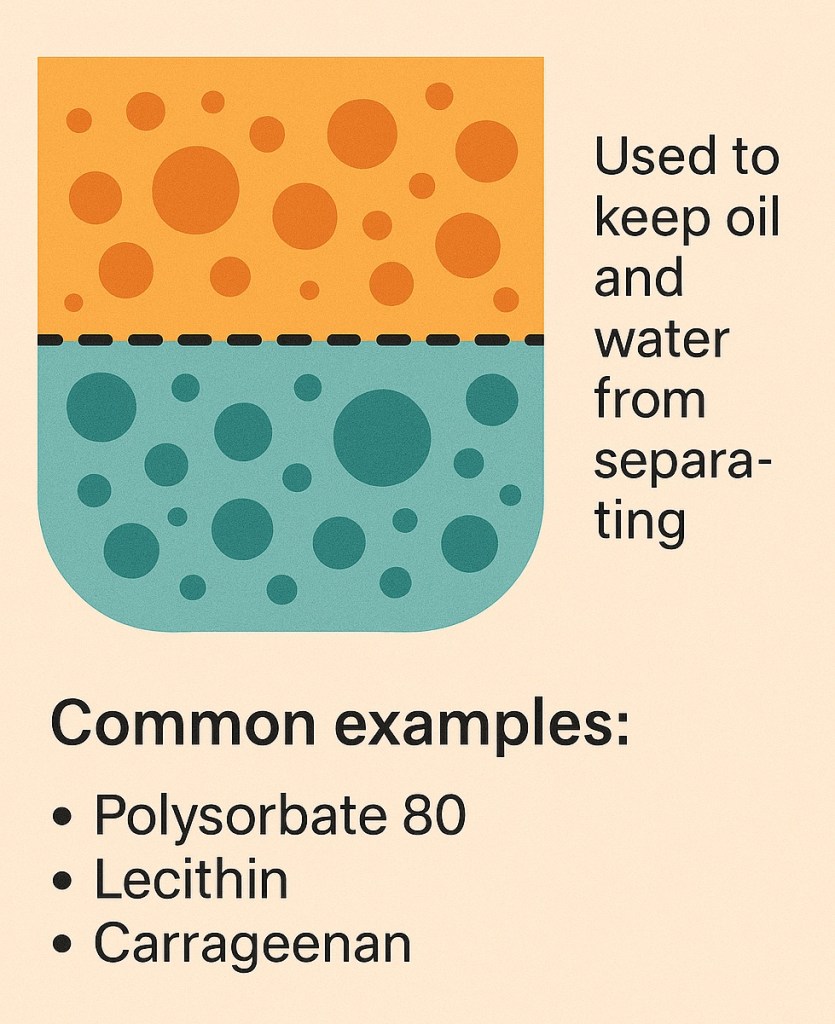
    Emulsifiers

    Used to keep oil and water from separating in foods like salad dressings, sauces, and ice cream.

    Common examples: Polysorbate 80, Lecithin, Carrageenan

    • Potential effects: May disrupt the gut lining and microbiome, increase inflammation, and even trigger metabolic issues like insulin resistance.

    Colorants (Food Dyes)

    Illustration of colorful food dyes, corn, citrus, and a hand holding a red liquid, symbolizing artificial colorants in processed foods

    These give foods that bright, uniform, “fun” look—think of bright orange snacks or neon candies.

    Examples: Red 40, Yellow 5, Blue 1

    • Potential effects: Linked to allergic reactions, hives, and even behavioral concerns in children. Some are banned or carry warning labels in the EU.

    Preservatives

    Illustration of preserved foods including canned fish, tomato sauce, cheese, processed meat, and packaged snacks

    Added to prevent spoilage and extend shelf life.

    Examples include: Sodium benzoate, Sorbic acid, BHA, BHT

    • Potential effects: Some may interfere with hormones (endocrine disruptors), and BHA/BHT have shown potential cancer risk in animal studies.

    Modified Starches

    Illustration of a hand holding corn, wheat, and potato with a spoonful of white powder above, representing sources of modified starches

    These are chemically altered starches from corn, wheat, or potatoes, used to thicken or stabilize processed foods.

    • Potential effects: Often raise blood sugar quickly and may leave chemical residues. They can also disrupt normal digestion and feed harmful gut bacteria.

    The scary part?

    You don’t always know they’re there—unless you read the label carefully.

  • Ultra-Processed Foods: What They’re Really Doing to Our Bodies – And the Small Shifts That Matter

    We’ve all been there—pressed for time, overwhelmed with choices, reaching for something “quick and easy” from the pantry shelf.

    But lately, I’ve started asking a harder question: What are these ultra-processed foods really doing to us?

    As a mom who cares deeply about what goes into my children’s bodies—and my own—I began looking more closely. What I discovered wasn’t just about nutrition. It was about behavior. Sleep. Focus. Even mood.


    What Exactly Are Ultra-Processed Foods?

    They’re not just frozen meals or snacks with long ingredient lists. Ultra-processed foods (UPFs) are made mostly of ingredients you wouldn’t use at home—things like artificial flavors, emulsifiers, preservatives, colorings, and modified starches.

    They’re designed to be hyper-palatable, shelf-stable, and mass-produced.

    Think: packaged cookies, sugary cereals, flavored yogurts, instant noodles, even some granola bars and plant-based “health” snacks.


    How UPFs Are Quietly Rewiring Our Bodies

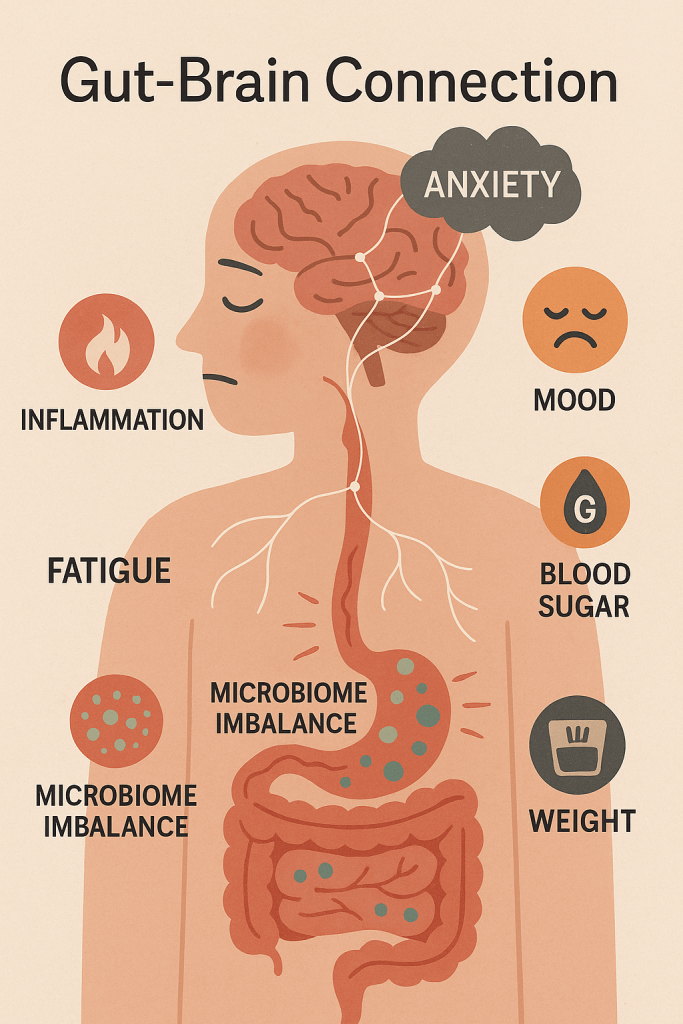
    Infographic showing gut-brain connection impacted by ultra-processed foods, including inflammation, fatigue, anxiety, mood changes, and microbiome imbalance
    • Gut imbalance: They reduce microbial diversity, which plays a major role in immunity, digestion, and even mental health.
    • Inflammation: Chronic low-grade inflammation can worsen fatigue, joint pain, and brain fog.
    • Mood + cognition: Some research points to increased rates of anxiety, depression, and poor concentration—especially in kids.
    • Metabolic impact: Higher risk of obesity, blood sugar spikes, and insulin resistance.

    What shocked me the most wasn’t just the science.
    It was how many of these effects I’ve seen mirrored in everyday life.


    How It Affects Us—Not Just Kids

    Yes, I started this journey because of my child’s health.
    But as I changed our pantry, I noticed something else: I felt better, too.

    • Less fatigue
    • Improved focus
    • Better sleep
    • More stable mood

    Eating real food didn’t just help my family—it brought me back to life in small but powerful ways.


    Common UPFs in Everyday Life (and What We Use Instead)

    Instead of…Try this…
    Sugary granola barsOrganic nut + seed bars (no added sugar)
    Instant ramenOrganic noodles with homemade veggie broth
    Flavored yogurtUnsweetened Greek yogurt + fresh fruit
    Kids juice boxesWater + fruit slices or homemade popsicles
    Packaged muffinsHomemade oat-banana muffins (freezable!)

    (I’ll list our go-to swaps in a separate blog post soon—with links and reviews!)


    You Don’t Have to Be Perfect. Just Aware.

    This isn’t about shame or throwing out every snack in your cupboard.
    It’s about awareness. And making small shifts that matter—one habit, one meal at a time.

    Sometimes, the most radical thing you can do for your health isn’t a detox.
    It’s simply reading the label. Saying no to what doesn’t feel good. And saying yes to what fuels your life.

    From our family to yours—here’s to eating a little simpler, a little closer to nature, and a lot more intentionally.

  • The Best Probiotics for Kids’ Gut and Brain Health (2025 Guide with Real-Life Picks)

    In our previous post, we talked about how the gut and brain are more connected than we might think—especially for kids dealing with eczema, ADHD, or autism. This connection is called the gut-brain axis, and supporting it can lead to better focus, mood regulation, digestion, and even sleep.

    So the big question is:
    How do we support a child’s gut in real life?

    One of the easiest first steps is adding a high-quality probiotic.


    Why Probiotics?

    Probiotics are beneficial bacteria that help balance the microbiome in the gut. For kids with sensory sensitivities or neurodevelopmental challenges, probiotics may:

    • Improve digestion and reduce tummy troubles
    • Support immune function
    • Calm inflammation in the body
    • Help regulate mood and sleep
    • Positively impact focus and behavior over time

    What to Look for in a Probiotic for Kids

    When choosing a probiotic, consider:

    • Sugar-free, dye-free, allergen-friendly formulas
    • Proven strains like Lactobacillus rhamnosus GG or Bifidobacterium
    • Easy-to-take forms: powders, gummies, or chewables
    • 3rd-party tested for safety and potency
    • Optional: organic, vegan, shelf-stable

    Our Top 5 Probiotic Picks for Kids in 2025

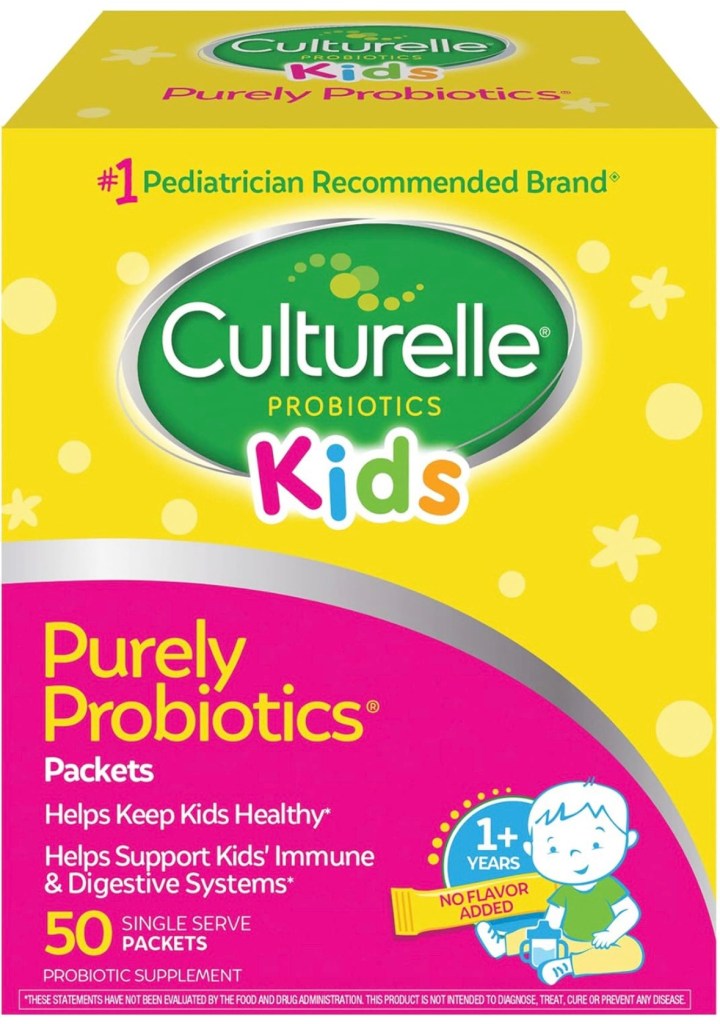
    1. Culturelle Kids Daily Probiotic Packets

    Check on Amazon

    • Flavorless powder that mixes easily with food or drinks
    • Contains Lactobacillus rhamnosus GG, a research-backed strain
    • Great for daily immune and digestion support
    • Parent tip: Super convenient for school lunches!

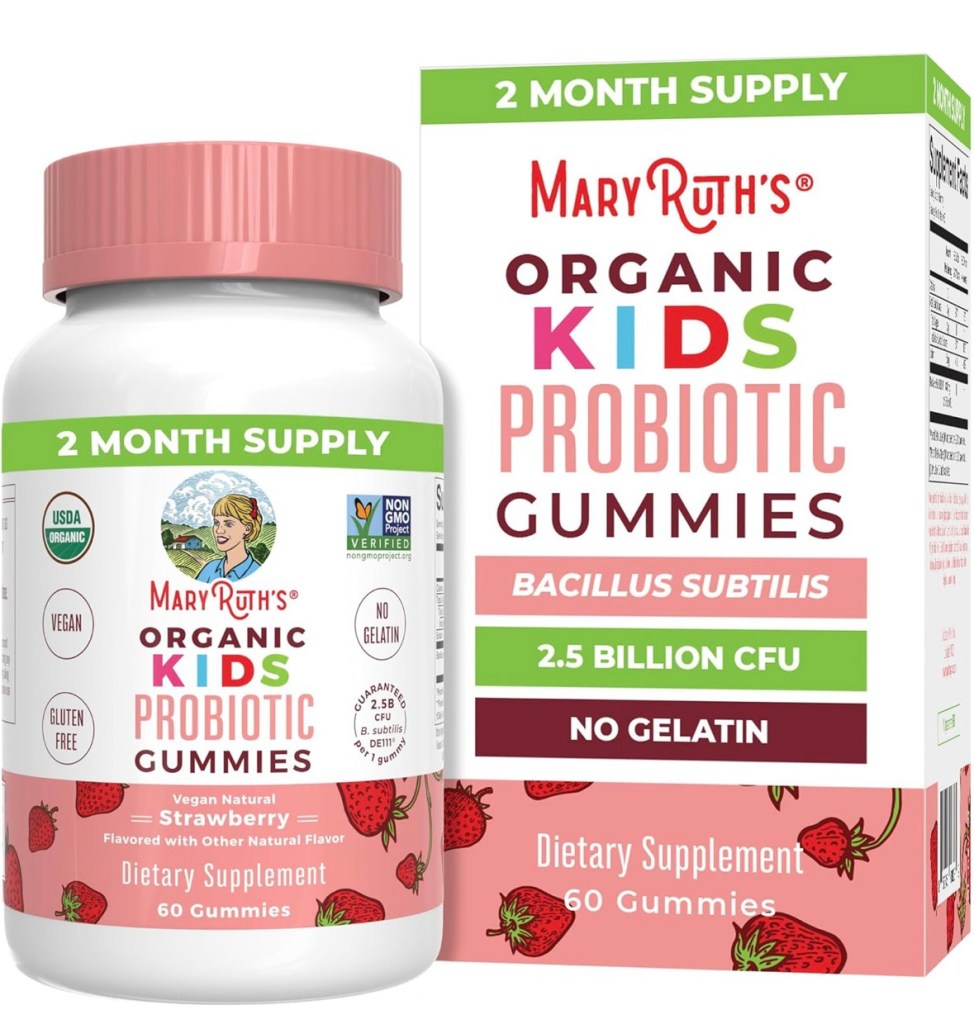
    2. MaryRuth Organics Kids Probiotic Gummies

    Check on Amazon

    • Organic, vegan, and sugar-free
    • Includes Bacillus subtilis and Bacillus coagulans
    • A fun option for picky eaters
    • Parent tip: No refrigeration needed—great for travel!

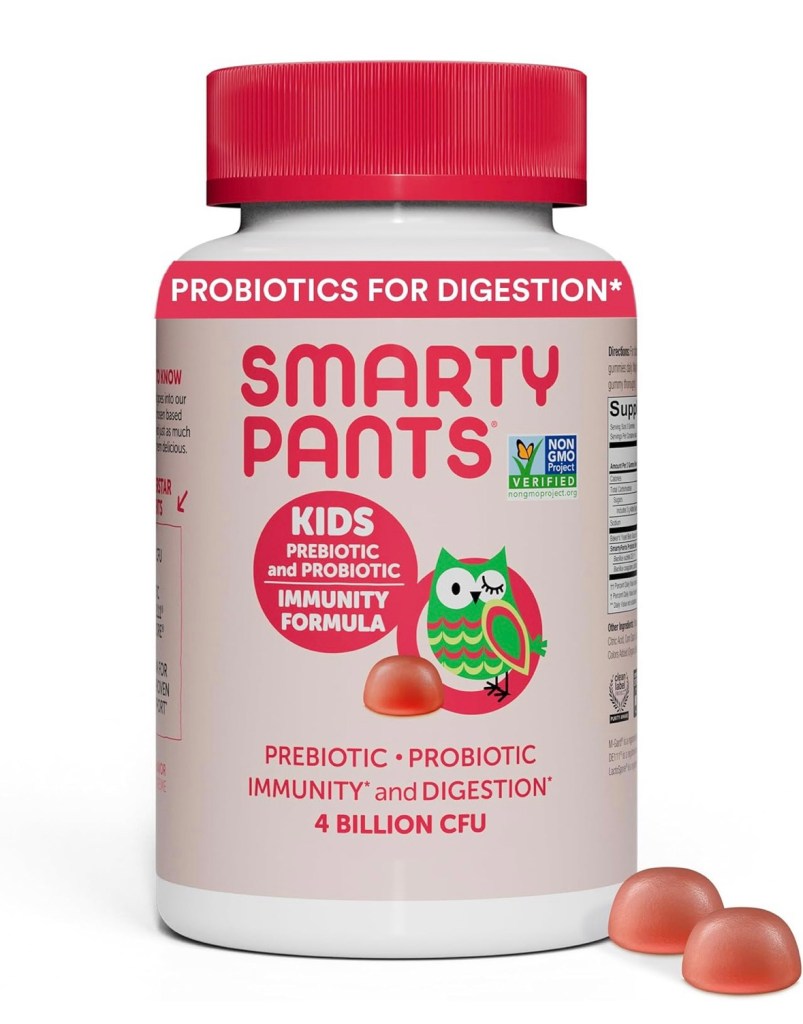
    3. SmartyPants Kids Probiotic Immunity Formula

    Check on Amazon

    • Gummies with prebiotics + probiotics
    • Supports gut and immune health
    • Free from artificial colors, gluten, and GMOs
    • Parent tip: Kids love the taste, no need to “remind” them!

    4. LoveBug Little Ones Daily Probiotic

    Check on Amazon

    • For toddlers and babies
    • Includes Lactobacillus and Bifidobacterium strains
    • Supports early digestive and immune development
    • Parent tip: Dissolves in formula, milk, or purees

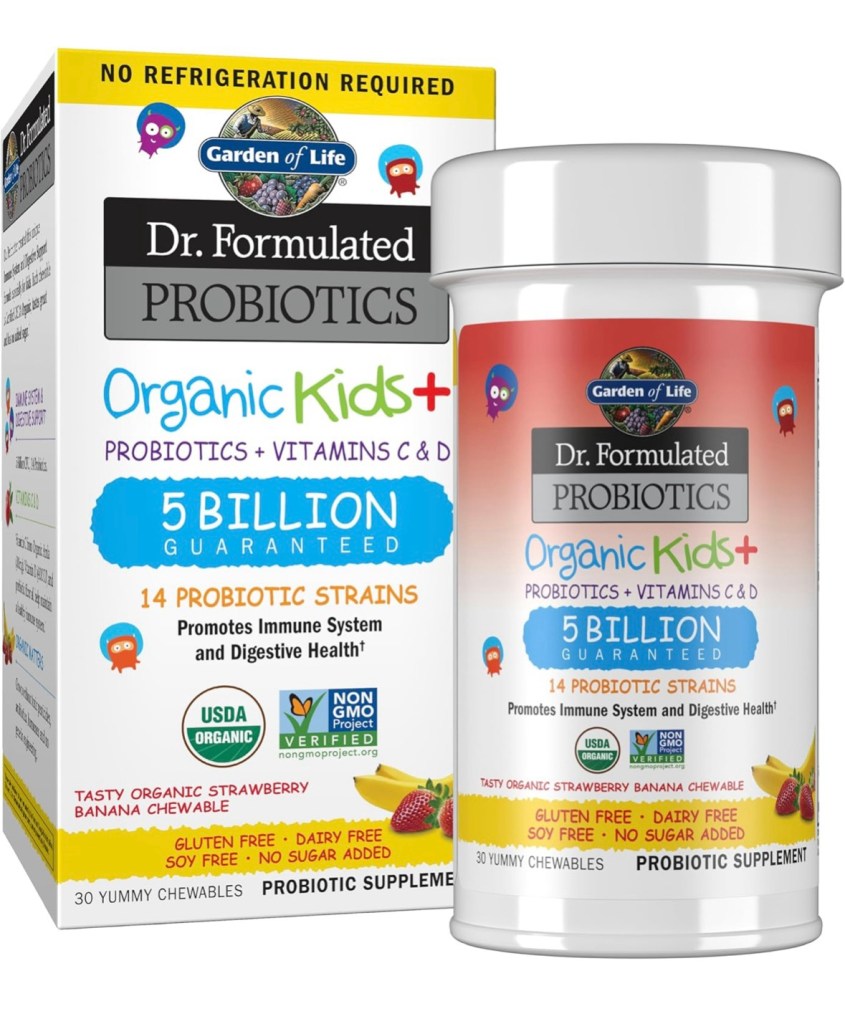
    5. Garden of Life Dr. Formulated Organic Kids+

    Check on Amazon

    • Chewable tablets with 5 billion CFUs and 14 probiotic strains
    • Certified organic and non-GMO
    • Designed by a pediatrician
    • Parent tip: A great option for kids with food sensitivities

    Our Honest Experience

    In our home, probiotics helped improve not just digestion—but sleep, skin, and even my child’s focus.
    It’s not magic overnight, but with consistent use for 3–4 weeks, we began noticing subtle shifts that made a big difference.

    We started with MaryRuth’s because of the clean ingredients, then later tried Culturelle for travel.


    Final Thoughts

    If your child struggles with focus, frequent tummy issues, skin flare-ups, or just needs immune support—probiotics might be a powerful place to begin.

    Choose one that fits your child’s needs and preferences.
    Be consistent. Give it time.
    And you just might see a difference from the inside out.


    Did you know that probiotics may help not just with digestion, but also with brain function — especially in kids with ADHD or autism?
    Learn more about how gut health affects brain development.


    This post contains affiliate links.
    If you choose to purchase through these links, I may receive a small commission at no extra cost to you.
    Thank you for supporting this blog and our family’s journey toward natural wellness.

  • What Connects the Brain and the Gut? A Look at Autism, ADHD, and Our Food Choices

    When I first started researching my child’s eczema, I didn’t realize how far that journey would take me.

    It began with skincare. Then laundry detergent. Then the air in our home.
    And slowly, I found myself thinking about something I had never really questioned before: food.

    Along the way, I learned more about two conditions that many parents quietly navigate—autism spectrum disorder (ASD) and ADHD.
    They’re different, but in many ways, they overlap.
    And one surprising thing they may share in common is… the gut.


    Autism and ADHD: How Are They Connected?

    ASD and ADHD are both neurodevelopmental conditions that often appear in early childhood.
    Many children show traits of both.

    They share common traits like:

    • Sensory sensitivities (sound, touch, light, even smell)
    • Emotional regulation struggles
    • Difficulty with focus and transitions
    • Sleep disturbances

    In fact, many children with autism also meet the diagnostic criteria for ADHD, and vice versa.

    Recently, researchers have begun asking deeper questions:
    Could these behaviors be influenced not just by the brain—but also by the gut?


    What Is the Gut-Brain Axis?

    The gut-brain axis refers to the complex communication network between the gastrointestinal system and the brain.
    It includes:

    • Neural signals (especially via the vagus nerve)
    • Hormonal messengers
    • Immune system responses
    • And most interestingly, gut microbes

    The trillions of bacteria living in our gut (called the microbiome) may do more than help us digest food.
    They may also affect mood, focus, stress response, and even behavior.


    What Research Tells Us

    Several recent studies show that children with autism or ADHD often have different gut microbiomes than neurotypical children:

    • In children with ASD, researchers have observed imbalances in gut bacteria—with elevated levels of Clostridium species and lower microbial diversity.
      For example, Clostridium histolyticum and Clostridium perfringens have been found in significantly higher amounts in the stool samples of autistic children compared to controls (MDPI, 2024).
    • Another study found that Desulfovibrio species were more abundant in children with autism and may correlate with the severity of symptoms (PMC, 2021).
    • Children with ADHD may also have lower levels of beneficial bacteria, and diets high in sugar and ultra-processed foods have been linked to worsened symptoms in some studies.

    And here’s something incredible:
    Over 90% of the body’s serotonin—a key neurotransmitter related to mood—is produced in the gut.

    So what happens in the gut doesn’t stay in the gut.
    It could impact the brain, emotions, behavior, and focus.


    So, What Can We Do?

    I’m not a doctor.
    But I am a parent who believes that small, thoughtful changes can lead to meaningful shifts.

    Once I realized how deeply connected gut health might be to brain health,
    we began making simple, gentle changes at home:

    • Choosing foods with simple, real ingredients
    • Cutting down on ultra-processed snacks
    • Cooking more meals at home
    • Adding more fiber (to nourish gut microbes)
    • Avoiding artificial colors, flavors, and unnecessary additives
    • Introducing probiotics (starting with small, child-appropriate options)

    We’re not perfect. But each small shift feels like a step toward a calmer, healthier home.


    What’s Next?

    In my next post, I’ll share more about the probiotic products we tried,
    how we introduced them to our child’s routine,
    and what small but positive changes we noticed along the way.

    Because wellness doesn’t have to be overwhelming.
    It can start with a single step—and a little more care in what we choose each day.


    Thanks for reading and walking this journey with us.

  • The Non-Toxic Laundry Detergent That Actually Worked: Our Honest Review of Laveree

    Why Laveree?

    After testing several non-toxic laundry detergents, we finally found one that checked all the boxes: safe, gentle, effective, and truly fragrance-free.

    Laveree’s plant-based detergent stood out for its thoughtful formulation—and it made a clear difference in my child’s eczema-prone skin.


    Key Features of Laveree Laundry Detergent

    • Fragrance-Free – No artificial scents or even essential oils that can irritate sensitive skin
    • Botanical Ingredients – Uses plant-based surfactants and natural enzymes for effective cleaning
    • Hypoallergenic – Ideal for babies, children, and adults with sensitive or reactive skin
    • Biodegradable Formula – Eco-friendly and safe for septic systems
    • EWG-Friendly Approach – Free from harmful preservatives, dyes, and optical brighteners

    Available at select retailers including Erewhon, known for curating clean, high-quality wellness products.


    Thoughtful Packaging

    Laveree pays attention not only to the formula but also to packaging. Their bottle is made from high-density polyethylene (HDPE), which is durable, chemical-resistant, and recyclable.

    They also incorporate recycled materials whenever possible, staying aligned with their commitment to sustainability.


    My Honest Experience

    As a mom, I’m always cautious about what touches my child’s skin—especially with eczema in the picture.

    • No flare-ups or itching after laundry
    • Clothes feel clean and soft without synthetic fragrances
    • No sticky or filmy residue like some natural brands leave behind

    I also love the clean, minimal design of the bottle. It just feels good to use—visually and emotionally.


    Is It Worth It?

    Yes. It’s slightly more expensive than conventional brands, but for families who prioritize clean living and gentle care, it’s absolutely worth the investment.

    You use detergent every single day—it’s in your clothes, bedding, towels. That’s why using something clean and trustworthy like Laveree truly matters.


    Where to Buy


    Final Thoughts

    If you’re searching for a truly non-toxic laundry detergent that doesn’t sacrifice performance, Laveree is it.

    It’s been a game changer for our family, and I’m confident it can help yours too.

    Try It for Yourself

    Want to detox your laundry routine?
    Start with what actually touches your skin every day.
    Try Laveree—and feel the difference.