
When I first started researching my child’s eczema, I didn’t realize how far that journey would take me.
It began with skincare. Then laundry detergent. Then the air in our home.
And slowly, I found myself thinking about something I had never really questioned before: food.
Along the way, I learned more about two conditions that many parents quietly navigate—autism spectrum disorder (ASD) and ADHD.
They’re different, but in many ways, they overlap.
And one surprising thing they may share in common is… the gut.
Autism and ADHD: How Are They Connected?

ASD and ADHD are both neurodevelopmental conditions that often appear in early childhood.
Many children show traits of both.
They share common traits like:
- Sensory sensitivities (sound, touch, light, even smell)
- Emotional regulation struggles
- Difficulty with focus and transitions
- Sleep disturbances
In fact, many children with autism also meet the diagnostic criteria for ADHD, and vice versa.
Recently, researchers have begun asking deeper questions:
Could these behaviors be influenced not just by the brain—but also by the gut?
What Is the Gut-Brain Axis?

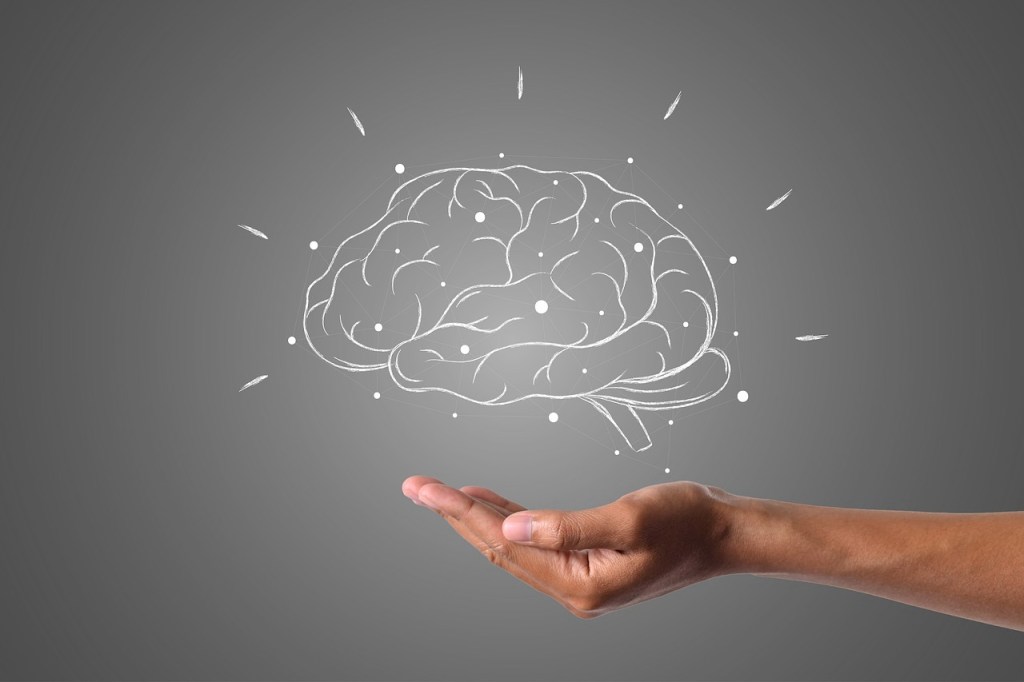
The gut-brain axis refers to the complex communication network between the gastrointestinal system and the brain.
It includes:
- Neural signals (especially via the vagus nerve)
- Hormonal messengers
- Immune system responses
- And most interestingly, gut microbes
The trillions of bacteria living in our gut (called the microbiome) may do more than help us digest food.
They may also affect mood, focus, stress response, and even behavior.
What Research Tells Us
Several recent studies show that children with autism or ADHD often have different gut microbiomes than neurotypical children:
- In children with ASD, researchers have observed imbalances in gut bacteria—with elevated levels of Clostridium species and lower microbial diversity.
For example, Clostridium histolyticum and Clostridium perfringens have been found in significantly higher amounts in the stool samples of autistic children compared to controls (MDPI, 2024). - Another study found that Desulfovibrio species were more abundant in children with autism and may correlate with the severity of symptoms (PMC, 2021).
- Children with ADHD may also have lower levels of beneficial bacteria, and diets high in sugar and ultra-processed foods have been linked to worsened symptoms in some studies.
And here’s something incredible:
Over 90% of the body’s serotonin—a key neurotransmitter related to mood—is produced in the gut.
So what happens in the gut doesn’t stay in the gut.
It could impact the brain, emotions, behavior, and focus.
So, What Can We Do?

I’m not a doctor.
But I am a parent who believes that small, thoughtful changes can lead to meaningful shifts.
Once I realized how deeply connected gut health might be to brain health,
we began making simple, gentle changes at home:
- Choosing foods with simple, real ingredients
- Cutting down on ultra-processed snacks
- Cooking more meals at home
- Adding more fiber (to nourish gut microbes)
- Avoiding artificial colors, flavors, and unnecessary additives
- Introducing probiotics (starting with small, child-appropriate options)
We’re not perfect. But each small shift feels like a step toward a calmer, healthier home.
What’s Next?
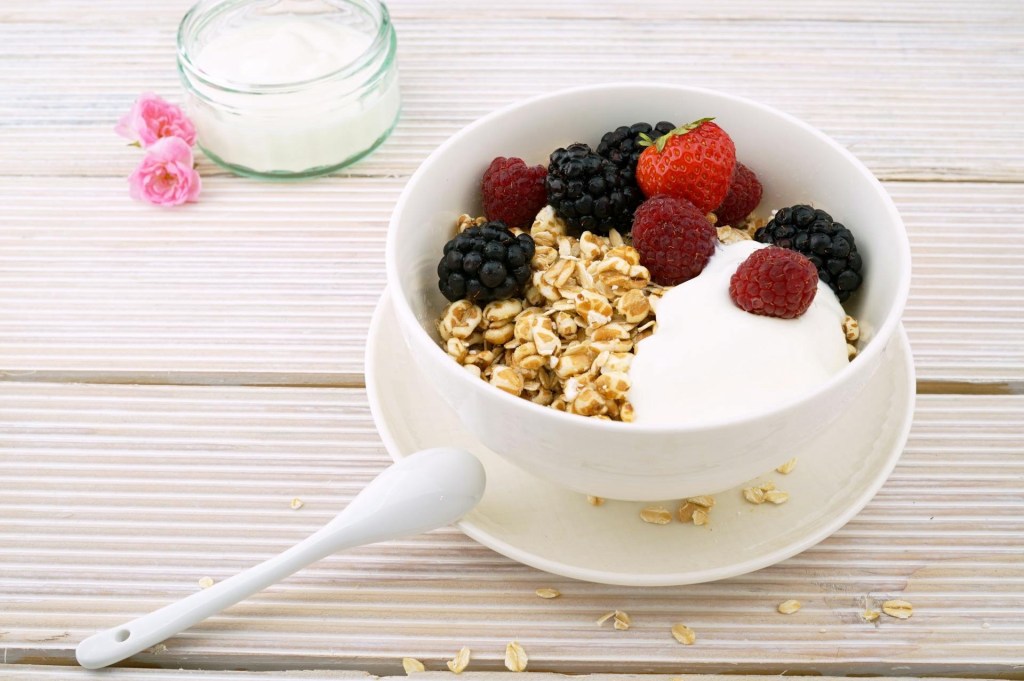
In my next post, I’ll share more about the probiotic products we tried,
how we introduced them to our child’s routine,
and what small but positive changes we noticed along the way.
Because wellness doesn’t have to be overwhelming.
It can start with a single step—and a little more care in what we choose each day.
Thanks for reading and walking this journey with us.
 Roromom's Life Style
Leave a comment